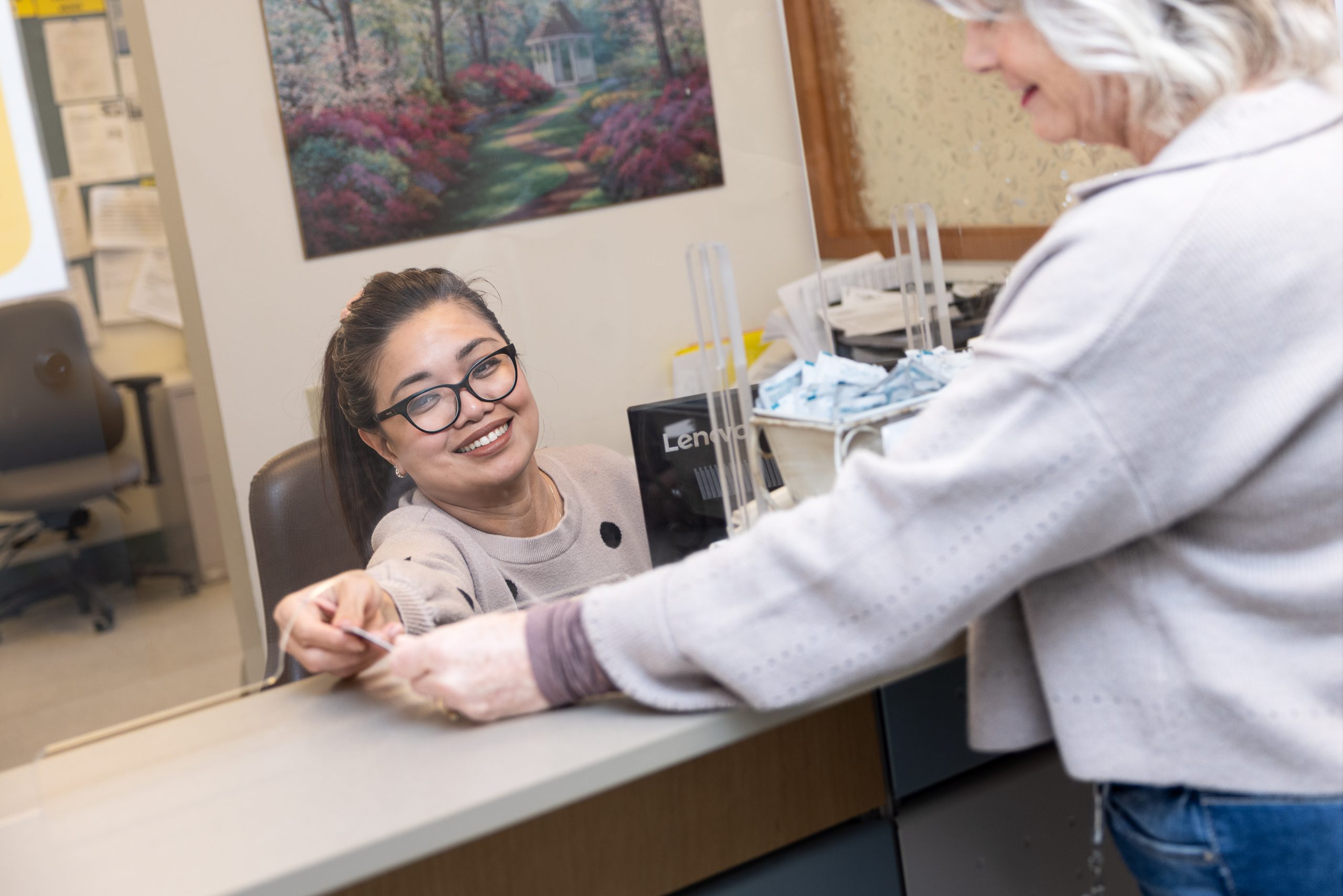


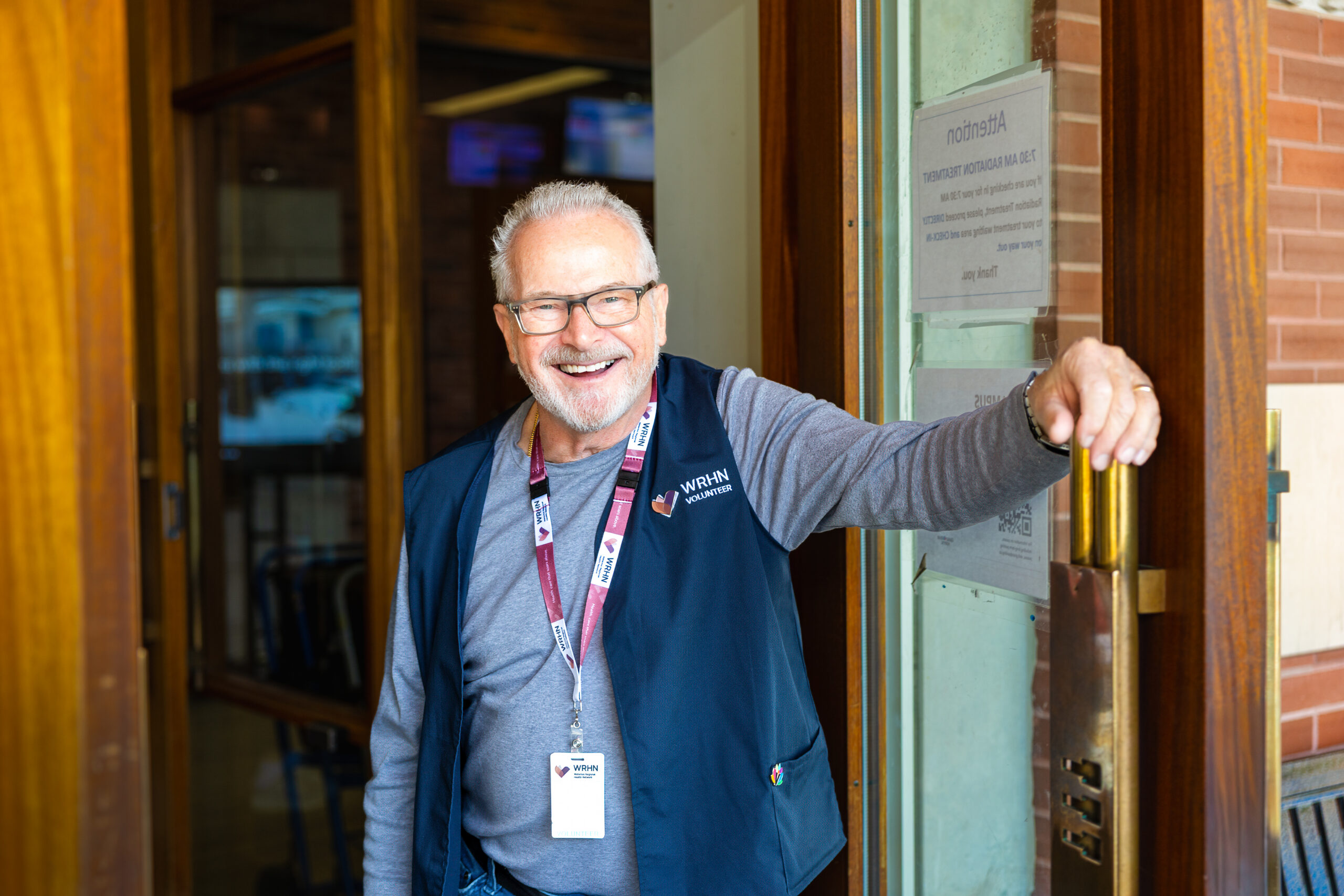
ਜਦੋਂ ਤੁਸੀਂ ਇੱਥੇ ਪਹੁੰਚੋ, ਤਾਂ ਯਾਦ ਰੱਖੋ ਕਿ ਉੱਥੇ ਵਲੰਟੀਅਰ ਅਤੇ ਸਟਾਫ਼ ਤੁਹਾਡਾ ਸਵਾਗਤ ਕਰਨ ਅਤੇ ਰਸਤਾ ਲੱਭਣ ਵਿੱਚ ਤੁਹਾਡੀ ਮਦਦ ਕਰਨ ਲਈ ਤਿਆਰ ਹੋਣਗੇ। ਤੁਸੀਂ ਕਿਸੇ ਵੀ ਸਮੇਂ ਮਦਦ ਮੰਗ ਸਕਦੇ ਹੋ।
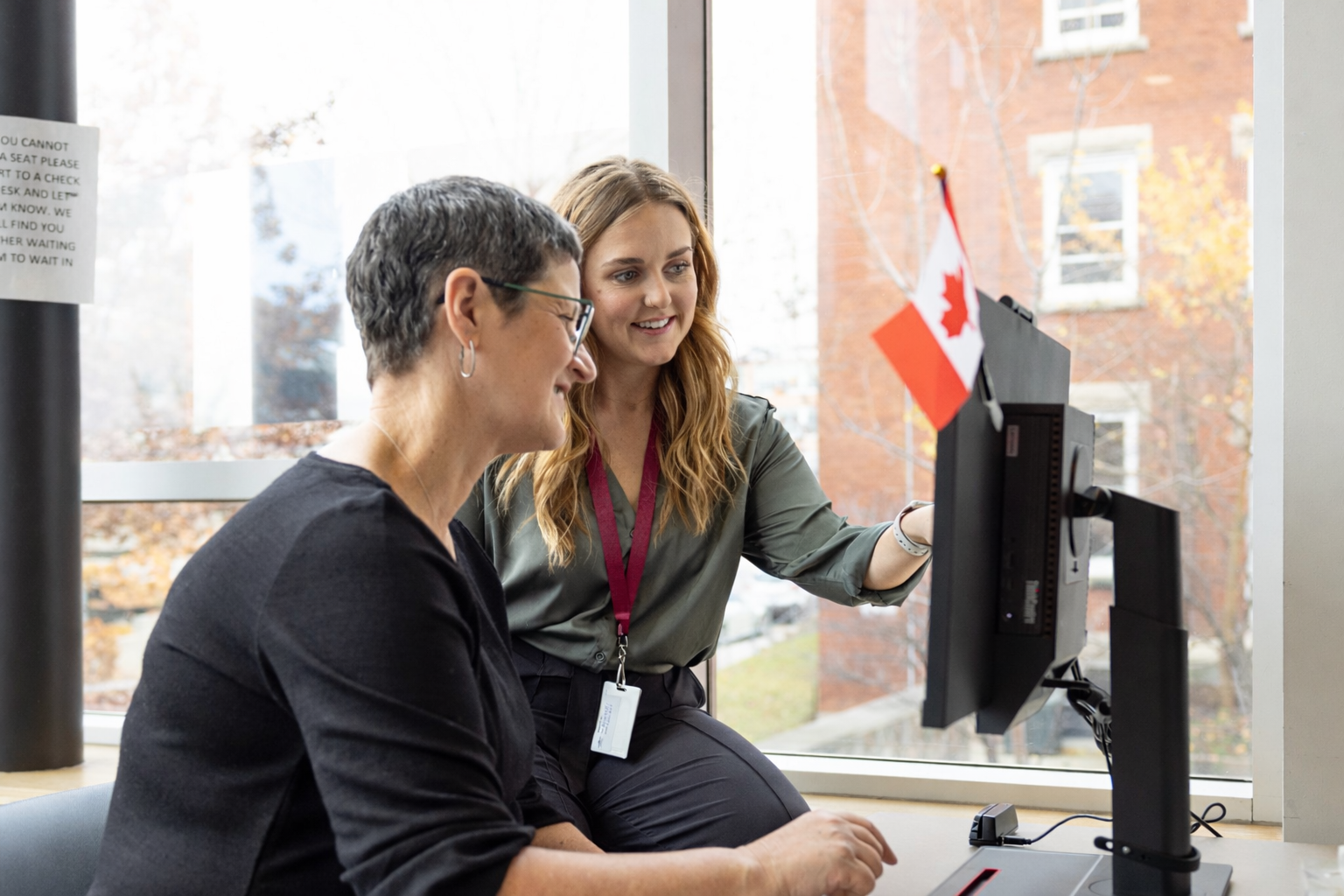
ਤੁਹਾਨੂੰ ਸਾਡੀ ਕੈਂਸਰ ਟੀਮ ਦੁਆਰਾ ਦੇਖੇ ਜਾਣ ਲਈ ਇੱਕ ਰੈਫਰਲ ਦੀ ਲੋੜ ਹੋਵੇਗੀ। ਹੋ ਸਕਦਾ ਹੈ ਕਿ ਤੁਹਾਨੂੰ ਤੁਹਾਡੇ ਪਰਿਵਾਰਕ ਡਾਕਟਰ ਜਾਂ ਕਿਸੇ ਹੋਰ ਮਾਹਰ ਦੁਆਰਾ ਰੈਫਰ ਕੀਤਾ ਗਿਆ ਹੋਵੇ। ਤੁਹਾਡੀ ਰੈਫਰਲ ਜਾਣਕਾਰੀ, ਲੱਛਣਾਂ ਅਤੇ ਟੈਸਟ ਦੇ ਨਤੀਜਿਆਂ ਦੇ ਆਧਾਰ 'ਤੇ ਤੁਹਾਡੇ ਨਾਲ ਕੈਂਸਰ ਸੈਂਟਰ ਵਿਖੇ ਅਪੌਇੰਟਮੈਂਟ ਬੁੱਕ ਕਰਨ ਲਈ ਸੰਪਰਕ ਕੀਤਾ ਜਾ ਸਕਦਾ ਹੈ। ਸਾਡਾ ਕਲੈਰੀਕਲ ਸਟਾਫ ਤੁਹਾਡੀ ਫੇਰੀ ਬੁੱਕ ਕਰਨ ਲਈ ਤੁਹਾਨੂੰ ਕਾਲ ਕਰੇਗਾ ਅਤੇ ਤੁਹਾਨੂੰ ਹੋਰ ਜਾਣਕਾਰੀ ਦੇਵੇਗਾ।
ਤੁਸੀਂ ਮਾਈ ਕਨੈਕਟਡ ਕੇਅਰ ਰਾਹੀਂ ਆਪਣੀਆਂ ਮੁਲਾਕਾਤਾਂ ਔਨਲਾਈਨ ਦੇਖ ਸਕਦੇ ਹੋ। ਤੁਸੀਂ ਆਪਣੀਆਂ ਮੁਲਾਕਾਤਾਂ ਦੀ ਇੱਕ ਪ੍ਰਿੰਟ ਕੀਤੀ ਕਾਪੀ ਵੀ ਪ੍ਰਾਪਤ ਕਰ ਸਕਦੇ ਹੋ, ਆਪਣੇ "ਮਰੀਜ਼ ਯਾਤਰਾ ਪ੍ਰੋਗਰਾਮ" ਨੂੰ ਕਾਲ ਕਰੋ।
ਕੁਝ ਅਜਿਹੀਆਂ ਸਥਿਤੀਆਂ ਹਨ ਜਿੱਥੇ ਤੁਹਾਨੂੰ ਵਰਚੁਅਲ ਅਪੌਇੰਟਮੈਂਟ ਲਈ ਬੁੱਕ ਕੀਤਾ ਜਾ ਸਕਦਾ ਹੈ। WWRCP ਸੁਰੱਖਿਅਤ, ਸੁਰੱਖਿਅਤ, ਵਰਚੁਅਲ ਦੇਖਭਾਲ ਪ੍ਰਦਾਨ ਕਰਨ ਲਈ ਓਨਟਾਰੀਓ ਟੈਲੀਹੈਲਥ ਨੈੱਟਵਰਕ (OTN) ਦੀ ਵਰਤੋਂ ਕਰਦਾ ਹੈ। ਵਰਚੁਅਲ ਮੁਲਾਕਾਤਾਂ ਜਾਂ ਫਾਲੋ-ਅੱਪ ਤੁਹਾਡੇ ਮਰੀਜ਼ ਦੇ ਯਾਤਰਾ ਪ੍ਰੋਗਰਾਮ 'ਤੇ ਦਿਖਾਈ ਦੇਣਗੇ।
ਆਪਣੀ ਨਿੱਜੀ ਮੁਲਾਕਾਤ ਤੋਂ ਘੱਟੋ-ਘੱਟ 30 ਮਿੰਟ ਪਹਿਲਾਂ ਪਹੁੰਚੋ। ਇਸ ਨਾਲ ਤੁਹਾਨੂੰ ਰਜਿਸਟਰ ਕਰਨ ਅਤੇ ਆਪਣੇ ਲੱਛਣਾਂ ਦੇ ਮਾਮਲੇ ਨੂੰ ਭਰਨ ਦਾ ਸਮਾਂ ਮਿਲੇਗਾ।
ਤੁਸੀਂ ਇਸਨੂੰ ਆਪਣੀ ਫੇਰੀ ਤੋਂ 24 ਘੰਟੇ ਪਹਿਲਾਂ ਔਨਲਾਈਨ ਵੀ ਭਰ ਸਕਦੇ ਹੋ।
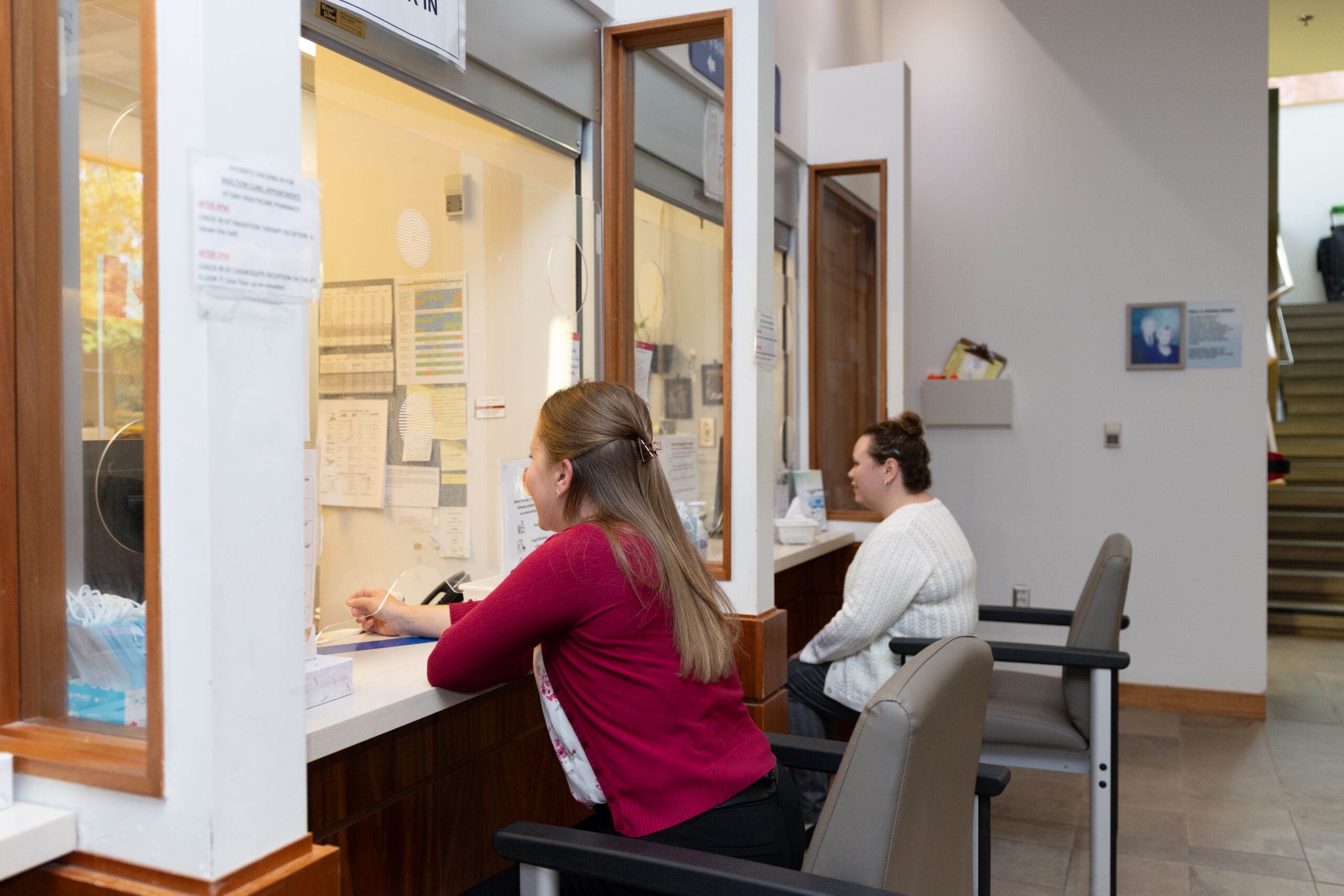
ਜਦੋਂ ਤੁਸੀਂ ਪਹੁੰਚਦੇ ਹੋ, ਤਾਂ ਕੈਂਸਰ ਸੈਂਟਰ ਦੇ ਦਰਵਾਜ਼ਿਆਂ ਰਾਹੀਂ ਦਾਖਲ ਹੋਵੋ। ਆਪਣੀ ਪਹਿਲੀ ਮੁਲਾਕਾਤ ਲਈ ਤੁਸੀਂ ਆਪਣੇ ਖੱਬੇ ਪਾਸੇ ਮੁੱਖ ਰਜਿਸਟ੍ਰੇਸ਼ਨ ਡੈਸਕ 'ਤੇ ਚੈੱਕ-ਇਨ ਕਰੋਗੇ। ਵਲੰਟੀਅਰ ਤੁਹਾਡਾ ਸਵਾਗਤ ਕਰਨਗੇ ਅਤੇ ਤੁਹਾਨੂੰ ਚੈੱਕ-ਇਨ ਕਰਨ ਲਈ ਤਿਆਰ ਕਰਨ ਵਿੱਚ ਮਦਦ ਕਰਨਗੇ। ਭਵਿੱਖ ਵਿੱਚ ਤੁਹਾਨੂੰ "ਕੀਮੋਸੂਟ" ਡੈਸਕ (ਚੌਥੀ ਮੰਜ਼ਿਲ) ਜਾਂ ਰੇਡੀਏਸ਼ਨ ਡੈਸਕ (ਤੀਜੀ ਮੰਜ਼ਿਲ) 'ਤੇ ਚੈੱਕ-ਇਨ ਕਰਨ ਲਈ ਕਿਹਾ ਜਾ ਸਕਦਾ ਹੈ।
ਇਹਨਾਂ ਦੋਵਾਂ ਥਾਵਾਂ 'ਤੇ ਤੁਹਾਡੀ ਕੈਂਸਰ ਦੇਖਭਾਲ ਦਾ ਸਮਰਥਨ ਕਰਨ ਲਈ ਮੈਡੀਕਲ ਓਨਕੋਲੋਜਿਸਟ ਅਤੇ ਰੇਡੀਏਸ਼ਨ ਓਨਕੋਲੋਜਿਸਟ ਸਟਾਫ 'ਤੇ ਹਨ। ਤੁਹਾਡੀ ਪਹਿਲੀ ਮੁਲਾਕਾਤ ਦਾ ਸਥਾਨ ਅਕਸਰ ਇਸ ਗੱਲ 'ਤੇ ਅਧਾਰਤ ਹੁੰਦਾ ਹੈ ਕਿ ਤੁਸੀਂ ਕਿੱਥੇ ਰਹਿੰਦੇ ਹੋ ਅਤੇ/ਜਾਂ ਤੁਹਾਨੂੰ ਕਿਸ ਕਿਸਮ ਦਾ ਕੈਂਸਰ ਹੈ (ਕੁਝ ਓਨਕੋਲੋਜਿਸਟ ਕੁਝ ਖਾਸ ਕਿਸਮਾਂ ਦੇ ਕੈਂਸਰ ਦਾ ਇਲਾਜ ਕਰਦੇ ਹਨ)।
ਤੁਸੀਂ ਆਪਣੀ ਮੁਲਾਕਾਤ 'ਤੇ ਆਪਣੇ ਨਾਲ ਕਿਸੇ ਪਰਿਵਾਰਕ ਮੈਂਬਰ, ਦੋਸਤ, ਜਾਂ ਦੇਖਭਾਲ ਕਰਨ ਵਾਲੇ ਸਾਥੀ ਨੂੰ ਲਿਆ ਸਕਦੇ ਹੋ। ਉਹ ਨੋਟਸ ਲੈ ਕੇ, ਅਤੇ ਤੁਹਾਡੀ ਮੁਲਾਕਾਤ ਦੌਰਾਨ ਕਹੀਆਂ ਗਈਆਂ ਗੱਲਾਂ ਸੁਣ ਕੇ ਤੁਹਾਡੀ ਮਦਦ ਕਰ ਸਕਦੇ ਹਨ।
ਹੇਠਾਂ ਕੁਝ ਆਮ ਸਵਾਲ ਹਨ ਜੋ ਤੁਹਾਡੇ ਕੈਂਸਰ, ਇਲਾਜ, ਜਾਂ ਦੇਖਭਾਲ ਯੋਜਨਾ ਬਾਰੇ ਹੋ ਸਕਦੇ ਹਨ। ਆਪਣੀ ਮੁਲਾਕਾਤ ਦੀ ਸ਼ੁਰੂਆਤ ਵਿੱਚ, ਆਪਣੀ ਸਿਹਤ ਸੰਭਾਲ ਟੀਮ ਨੂੰ ਦੱਸੋ ਕਿ ਉਸ ਦਿਨ ਤੁਹਾਡੇ ਲਈ ਕੀ ਜਾਣਨਾ ਸਭ ਤੋਂ ਮਹੱਤਵਪੂਰਨ ਹੈ।
ਲਾਗ ਦੇ ਫੈਲਣ ਨੂੰ ਰੋਕਣ ਵਿੱਚ ਮਦਦ ਕਰੋ:
ਹਸਪਤਾਲ, ਕੈਂਸਰ ਸੈਂਟਰ ਅਤੇ ਮੁੱਖ ਪ੍ਰਵੇਸ਼ ਦੁਆਰ ਦੇ ਆਲੇ-ਦੁਆਲੇ ਹੈਂਡ ਸੈਨੀਟਾਈਜ਼ਰ ਅਤੇ ਮਾਸਕ ਉਪਲਬਧ ਹਨ।
ਬਹੁਤ ਸਾਰੇ ਲੋਕ ਬਦਬੂ ਪ੍ਰਤੀ ਸੰਵੇਦਨਸ਼ੀਲ ਹੋ ਸਕਦੇ ਹਨ, ਖਾਸ ਕਰਕੇ ਜਦੋਂ ਹਸਪਤਾਲ ਦੇ ਛੋਟੇ ਕਮਰਿਆਂ ਜਾਂ ਥਾਵਾਂ 'ਤੇ ਹੁੰਦੇ ਹਨ। ਜਦੋਂ ਤੁਸੀਂ ਕੈਂਸਰ ਸੈਂਟਰ ਆਉਂਦੇ ਹੋ ਤਾਂ ਕਿਰਪਾ ਕਰਕੇ ਤੇਜ਼ ਖੁਸ਼ਬੂ ਵਾਲੇ ਕੋਈ ਵੀ ਉਤਪਾਦ (ਜਿਵੇਂ ਕਿ ਪਰਫਿਊਮ, ਕੋਲੋਨ, ਕਰੀਮ, ਜਾਂ ਵਾਲਾਂ ਦੇ ਉਤਪਾਦ) ਨਾ ਪਹਿਨੋ।