
Skip to Main Content

During Treatment

About This Resource  

Author: Waterloo-Wellington Regional Cancer Program

Revised: August 2024

PEM#: PEM6072
What to expect

What is Brachytherapy?

Brachytherapy is a dose of radiation given inside or next to the are needing treatment. A high dose is given to the cancer in a short period of time. This reduces the risk of damage to healthy tissue, while treating the tumour.

Before Coming for Brachytherapy 

  • Take your medication as usual.
  • You may have a light meal.
  • Wash the area around your vagina and anus (bum).

Checking in for Your Treatment

Check in for your treatment at the Radiation Reception Desk.

You will be met by a Radiation Therapist who will explain what will happen.

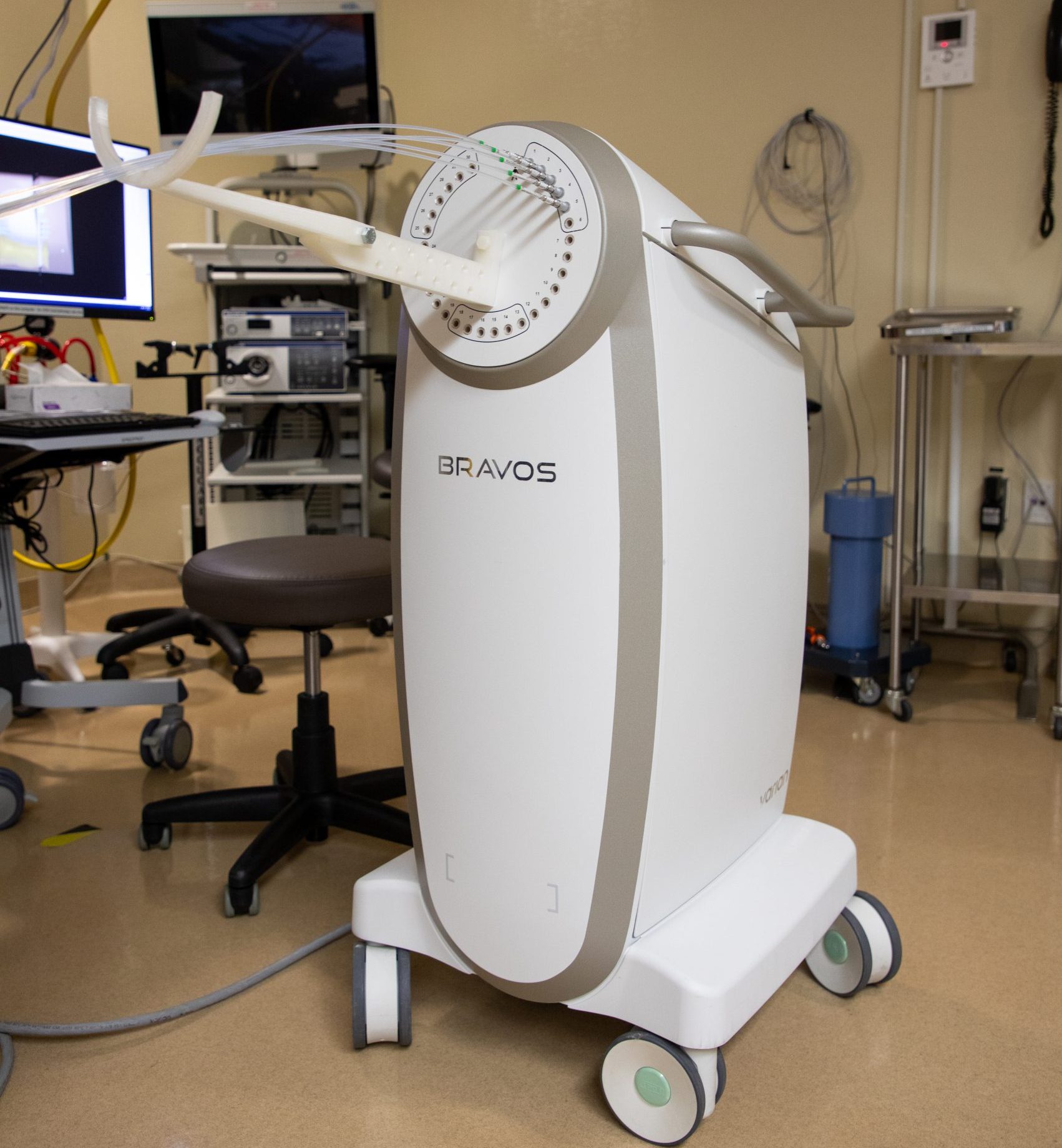
You will change into a hospital gown and be taken into the brachytherapy room, where there is an x-ray machine and other monitors.

Brachytherapy Treatment 

  • You will lie down and your legs will be placed in stirrups, like it would be for a pelvic exam.
  • The Radiation Oncologist may do a pelvic exam before inserting the treatment applicator.
  • Tubes connect the treatment machine to the applicator.
  • The Radiation Therapist will secure the applicator in place.
  • If needed, x-rays will be taken.
  • The radiation source moves through the tubes to give you your treatment.
  • During this time, you will be alone in the room, but we can see you on our monitors, and hear/talk to you through an intercom.
  • When your treatment is finished, the radiation source moves back to the machine and the applicator is taken out.

After Your Brachytherapy

  • You will not be radioactive.
  • You can go home as soon as the procedure is over.
  • Drink 8 – 12 cups of liquid each day, for the next 2-3 days.
  • Some spotting or bleeding from the vagina is normal. We will provide you with a pad.
  • You may have some cramping, which should stop by the end of the day.
  • You will be given a vaginal dilator (with instructions) to begin to use 1 – 2 weeks after your radiation therapy is done.
  • You can have sexual intercourse (sex) when you feel comfortable.

If you get any of these side effects:

  • A fever
  • Severe abdominal (belly) pain
  • A lot of bleeding
  • Cannot urinate (pee)
Logo for Waterloo Wellington Regional Cancer Program, Ontario Health (Cancer Care Ontario)
Black and white QR code on a white background. The QR code is centered and contains encoded digital information.

Use this resource for your information only. It does not replace medical advice from your doctor or other healthcare professionals.  

Email: [email protected] 

Website: www.cancerwaterloowellington.ca