
Skip to Main Content

The Waterloo Wellington Regional Cancer Program (WWRCP) cares about Truth and Reconciliation.

The WWRCP is working to make this happen within the cancer program, in partner hospitals, and with our network of healthcare providers.

There are no on-reserve First Nation communities in Waterloo Wellington. But there is a strong and vibrant Indigenous community including:

  • First Nations
  • Inuit
  • Métis
  • Urban Indigenous

Indigenous peoples have a higher risk of certain types of cancer (e.g. lung, colorectal, and kidney cancer).

They also have poorer cancer outcomes. This means they are more likely to take longer to get a cancer diagnosis. They may be more likely to have severe disease and lower rates of survival. Indigenous peoples also report havnig a poorer experience in healthcare versus other people in Ontario.

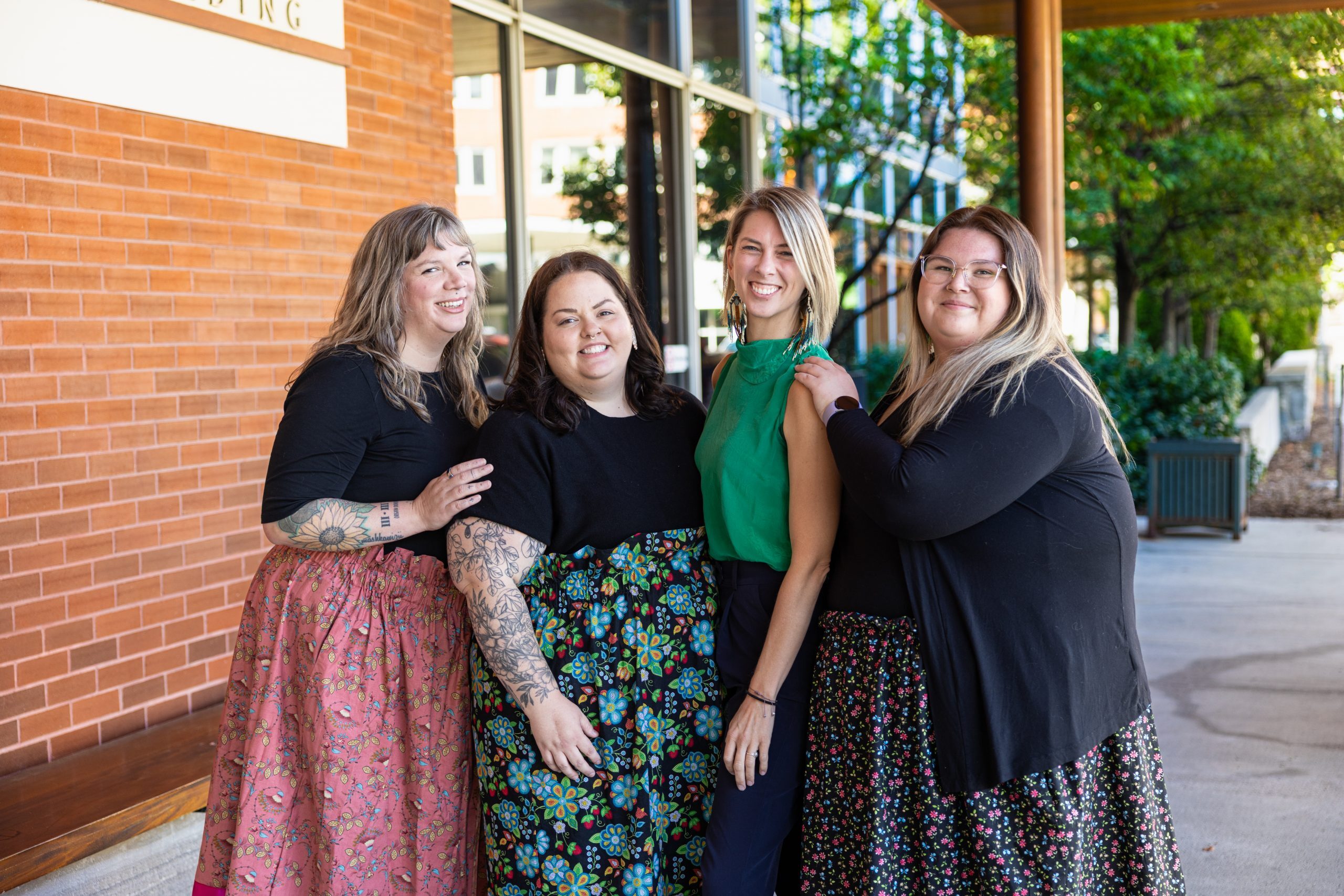
Four women stand together outside a brick building, smiling at the camera on a sunny day.

The Waterloo Wellington Regional Cancer Program, WRHN Indigenous Truth and Reconciliation Health Team, and Indigenous Employee Circle work closely together to:

  1. Decolonize healthcare spaces and processes
  2. Teach healthcare providers about Indigenous health and cultural safety
  3. Lead community events (e.g. pow wows, sharing circles, sacred fires, drumming circles).
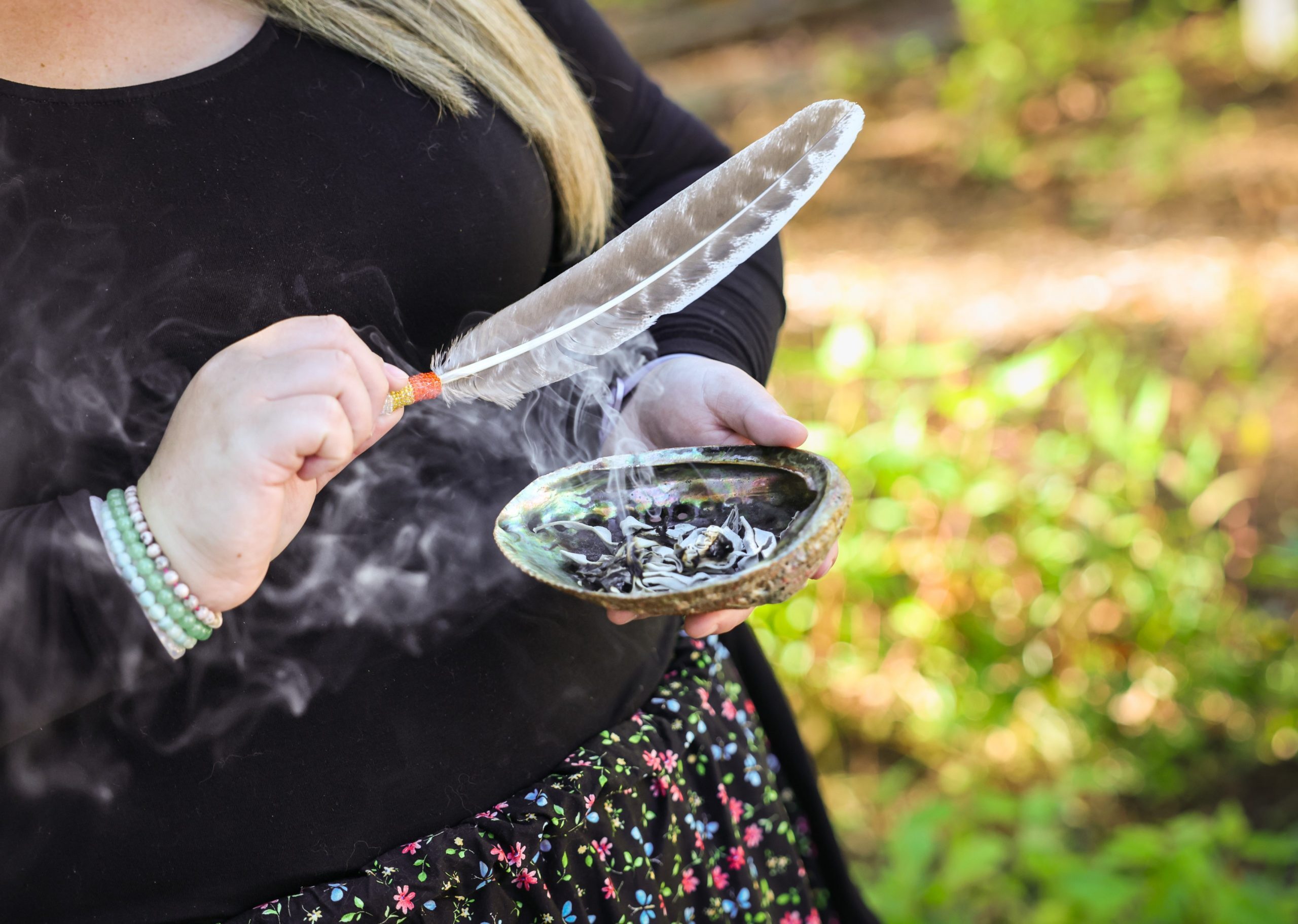
Person holding a feather and a shell with smoldering herbs, creating smoke, outdoors with greenery in the background.

Indigenous Cancer Strategy

Waterloo Wellington First Nations, Inuit, Metis, and Urban Indigenous Cancer Plan (2024-2028)

The WWRCP created the Indigenous Cancer Plan to help improve Indigenous cancer care and services in Waterloo Wellington. The plan speaks to the unique needs of the Waterloo Wellington region, and was written with input from:

  • Local Indigenous organizations
  • Indigenous leaders
  • Elders
  • Indigenous cancer patients
  • Indigenous community members

The Indigenous Cancer Plan goes through the commitments of the WWRCP over the next 4 years. It also details the potential impact on the Indigenous community. Over the next few years, the cancer program will use strategic priorities (listed below) to plan their work.

8 Strategic Priorities

  1. Building Productive Relationships: Build and promote relationships with Indigenous partners based on trust and mutual respect
  2. Measurement, Monitoring and Evaluation: Compile and develop information to improve the quality of the cancer experience for patients, families and healthcare providers
  3. Prevention and Well-Being: Reduce rates of cancer and other chronic diseases in Indigenous People
  4. Screening: Increase participation in cancer screening among Indigenous peoples across the province
  5. Palliative and End-of-Life Care: Help take care of the palliative and end-of-life needs of Indigenous peoples with cancer
  6. Survivorship: Enhancing awareness of cancer survivorship and promoting culturally safe supports.
  7. Education: Increase the knowledge and awareness among Indigenous peoples about cancer and other chronic diseases, and among healthcare providers about cultural safety
  8. Equitable Access: Reduce barriers in the health system and service delivery

Indigenous Cancer Patient Navigator

What is Indigenous Cancer Patient Navigator?

The Indigenous Cancer Navigator (ICN) is a special role in the cancer program. The ICN supports Indigenous cancer patients and families at any point in their cancer journey.

The Indigenous Cancer Navigator can help:
  • Support Indigenous cancer patients and their families at any point of their cancer journey (through cancer diagnosis, treatment, palliative, end-of-life care, and into survivorship),
  • Connect patients to helpful community resources
  • Explain healthcare and cancer care plans
  • Access to traditional healers
  • Attend appointments with the patient
  • Assist with hospital discharge planning

How to Access the Indigenous Cancer Navigator

You do not need a referral to see the Indigenous Cancer Navigator. Patients and family members can self-refer, meaning you can contact the ICN on your own to discuss your concerns. You can also ask your Nurse, Social Workers, or other healthcare team member to connect you with the ICN. The patient must consent before the ICN can meet with them.

Who Can be Referred?

You can see the ICN if you:

  • Currently live in Waterloo Wellington
  • Self-identify as First Nations, Métis, Inuit or Urban Indigenous
  • Are in the process of getting a cancer diagnosis, have a confirmed cancer diagnosis, or are already a person living with cancer
    AND
  • Consent to support by the Indigenous Cancer Navigator

Contact the Indigenous Cancer Navigator

If you are self-referring you can call, text, or email Melanie directly:

Melanie Turner, RPN (she/her)

Email: [email protected]

Phone: 519-588-5247

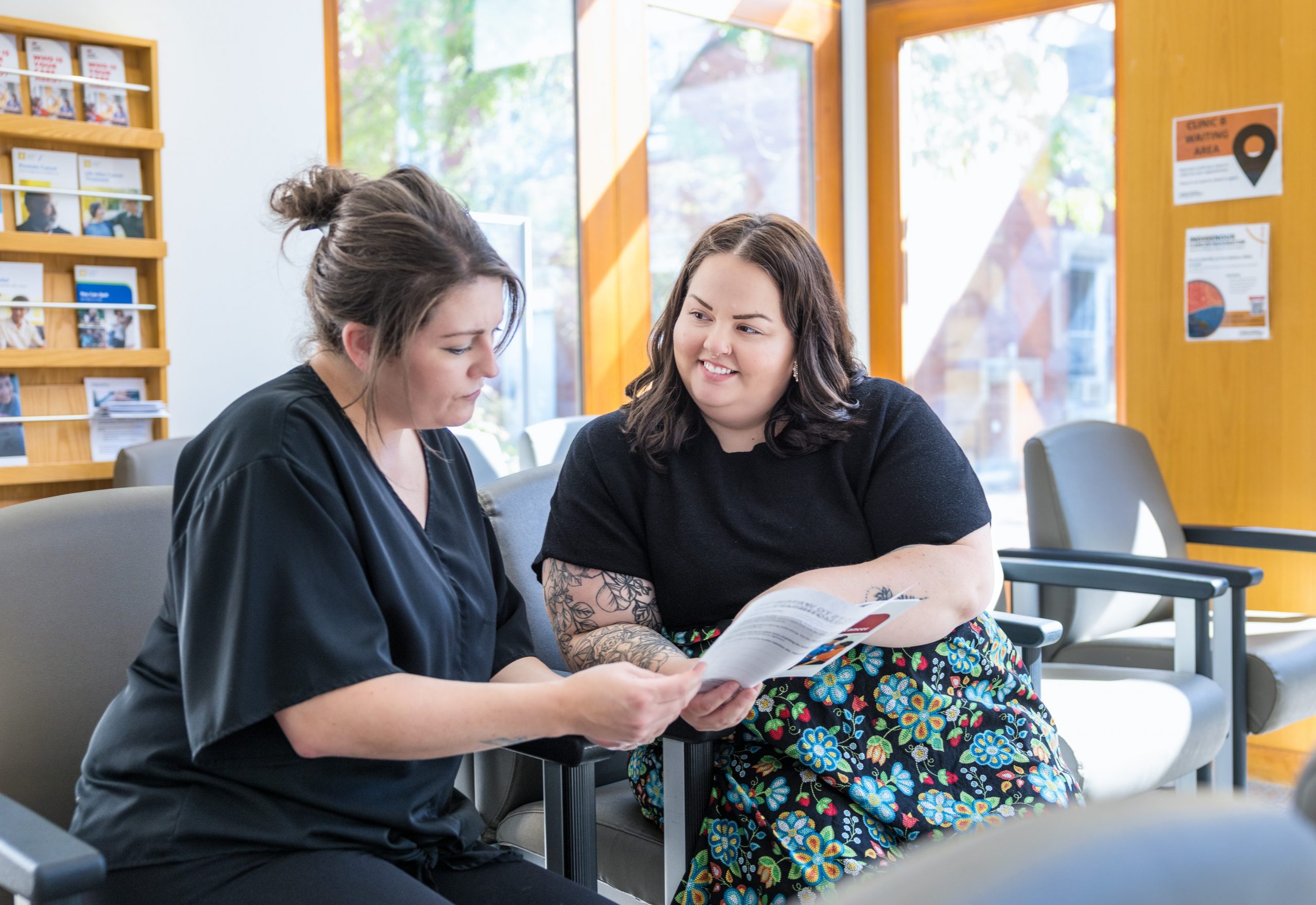
Two women sit in a waiting room, one holding and discussing a brochure with the other.

Melanie Turner, Indigenous Cancer Navigator, supporting a patient

If you are a family member, caregiver, or healthcare professional and would like to refer a patient please make sure the patient consents to support from the ICN. You can contact the Indigenous Cancer Navigator directly with any questions or concerns.

Please allow 24-48 hours for new referrals to be contacted. Typical service hours are Monday-Friday 8:30 A.M. to 4:30 P.M., excluding holidays.

Resources

Patients, families, caregivers and healthcare providers can learn more about Indigenous Cancer Care with the following resources: