


Systemic therapy travels through your blood to cells all over your body, or to your whole “system”. Systemic therapy includes a large group of drug treatments that can damage or kill cancer cells. There are over 200 different types of systemic therapy. Chemotherapy is just 1 type of systemic therapy.
Some other types of systemic therapy are:
Systemic therapy uses drugs to kill cancer cells or stop them from growing. Your treatment may include 1 type of drug or a mix of 2 or more drugs. Your Oncologist will tell you the best options for you.
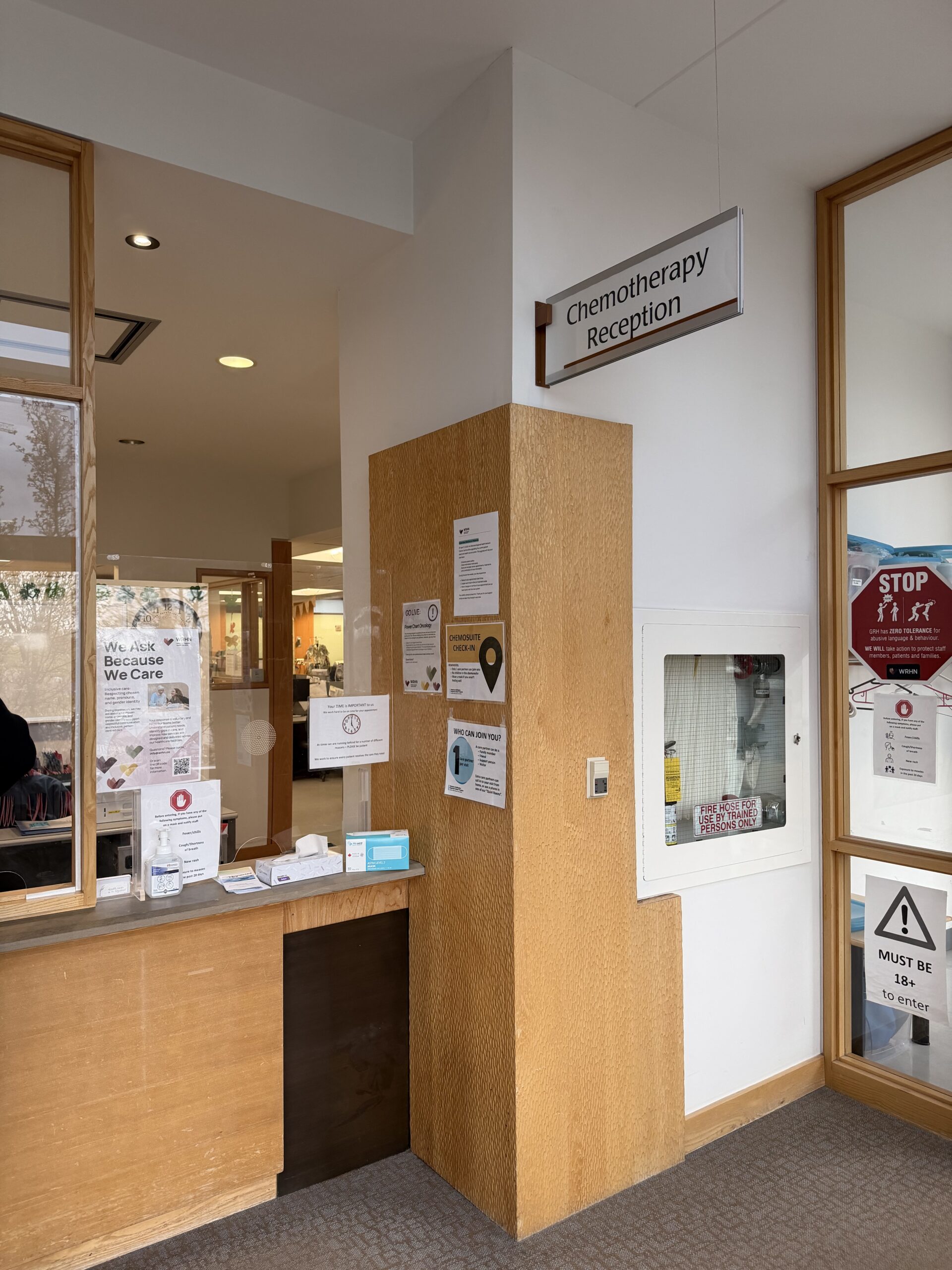
Systemic treatment is often given in the Systemic Therapy Suite or “Chemo-suite”, found on the 4th floor of the WRHN Cancer Centre.
The information above was adapted from the BC Cancer Agency “Systemic Therapy (Chemotherapy)” webpage (2025).
Learn more about treatment types by visiting the Canadian Cancer Society.
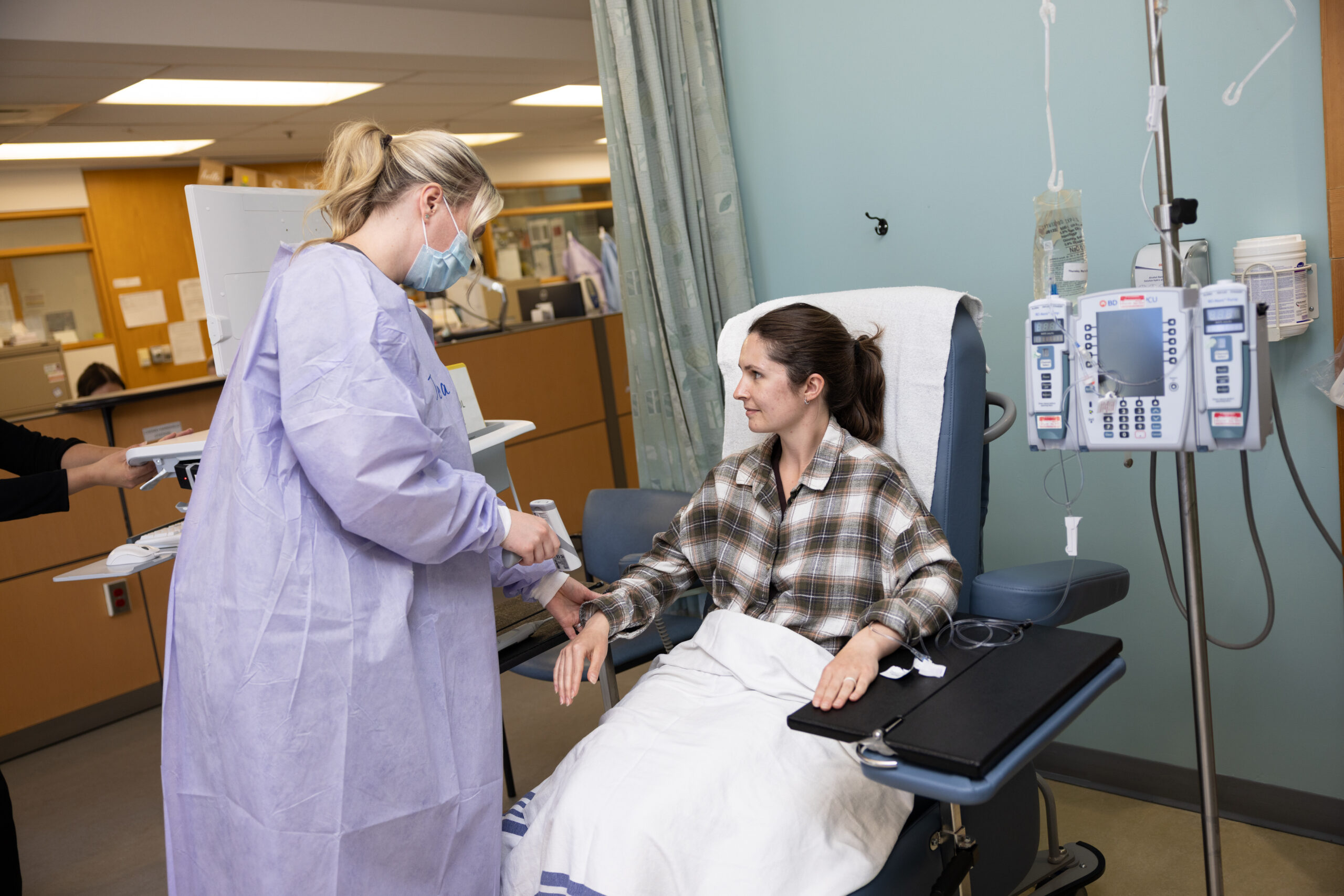
A systemic therapy suite, or “chemo suite” as it’s often called, is a clinic within the cancer centre. In this area patients are given systemic therapy (like chemotherapy, immunotherapy, or targeted therapy). In these clinics there are a number of healthcare providers around to support you, such as:
Your healthcare team works to:
 open media number 1 in the lightbox modal
 open media number 2 in the lightbox modal
open media number 3 in the lightbox modal
open media number 2 in the lightbox modal
open media number 3 in the lightbox modal
 open media number 4 in the lightbox modal
 open media number 5 in the lightbox modal
 open media number 6 in the lightbox modal
 open media number 7 in the lightbox modal
 open media number 8 in the lightbox modal
Systemic Therapy Suite Check-In Desk at WRHN Cancer Centre.
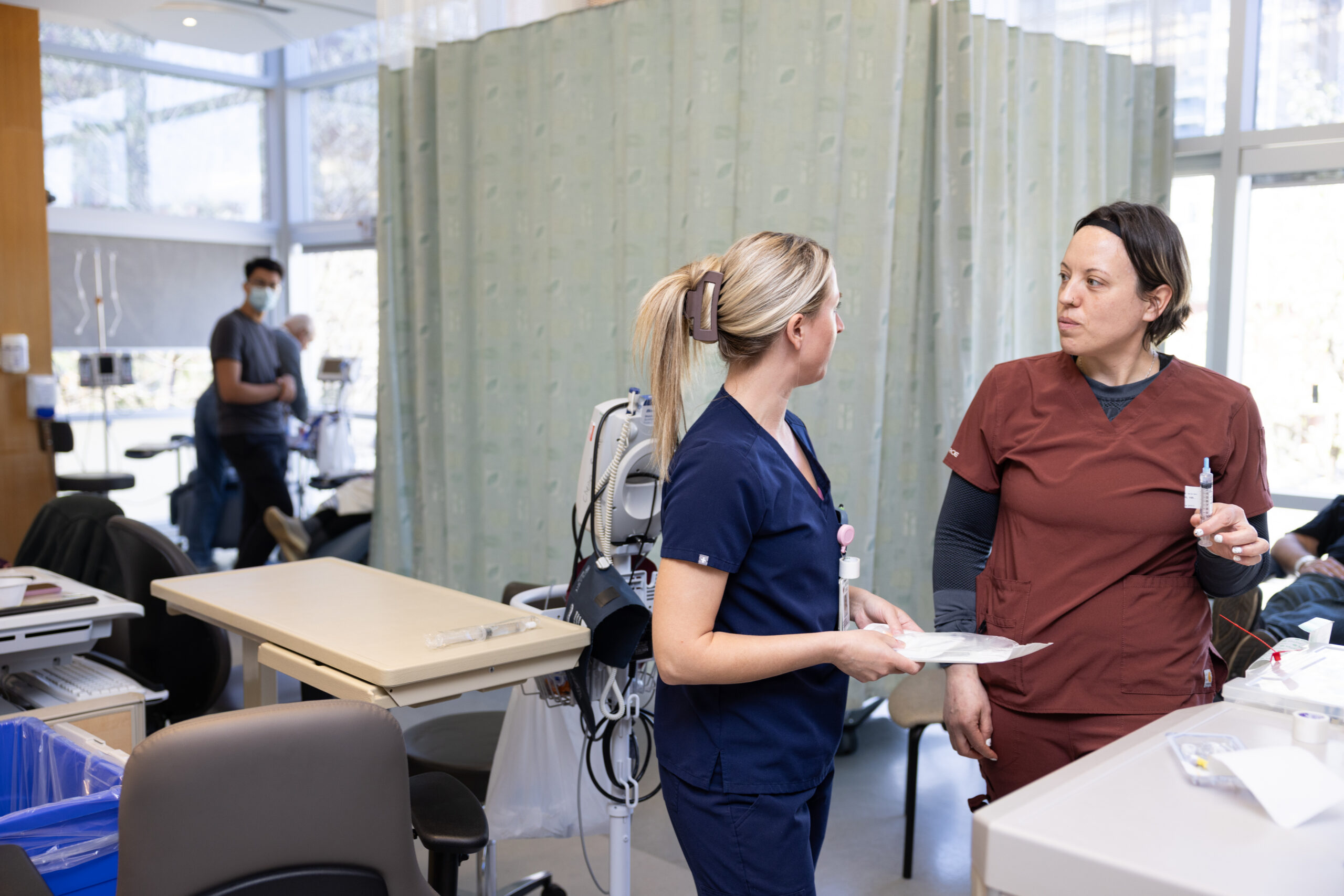
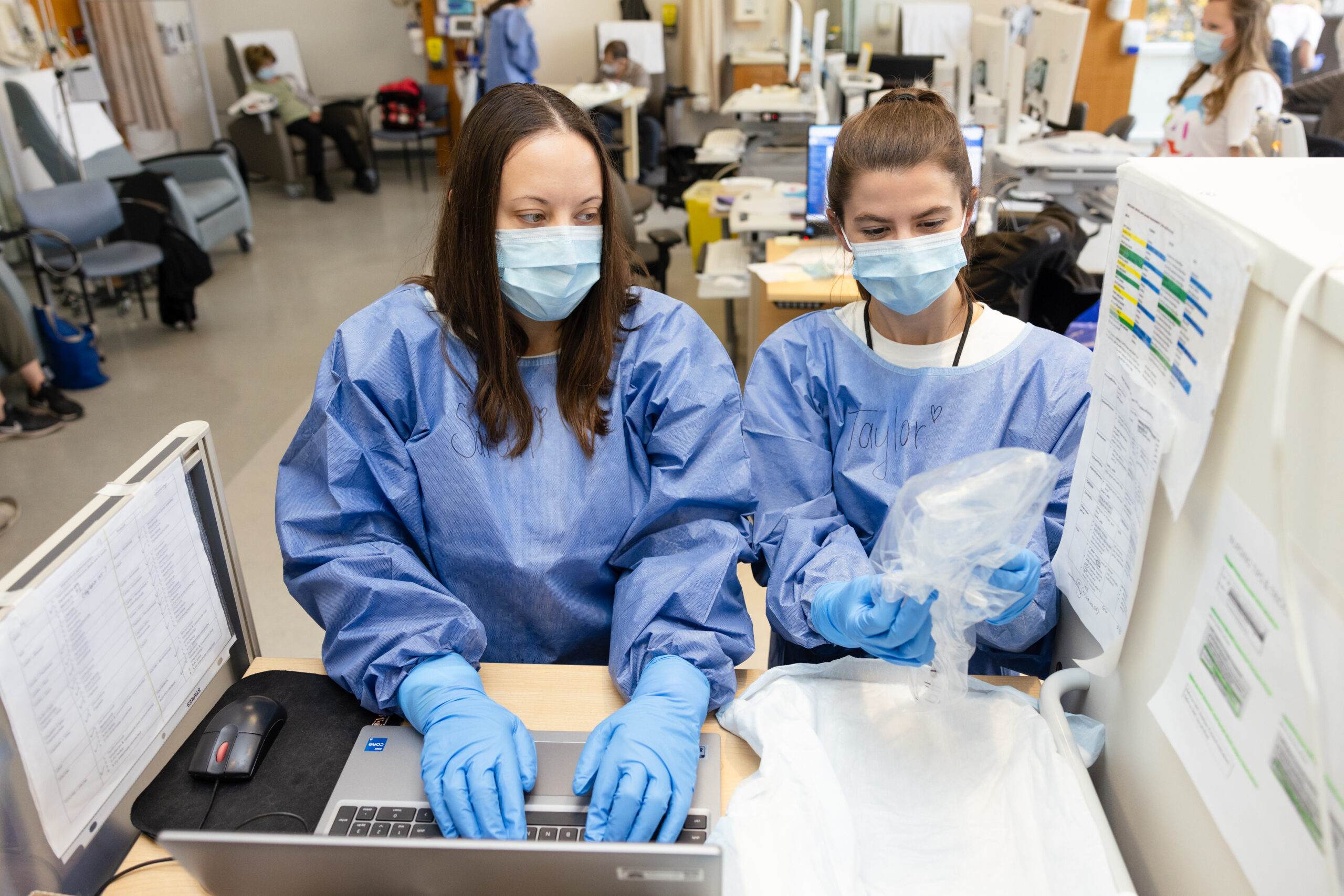
Two nurses inside the systemic suite.
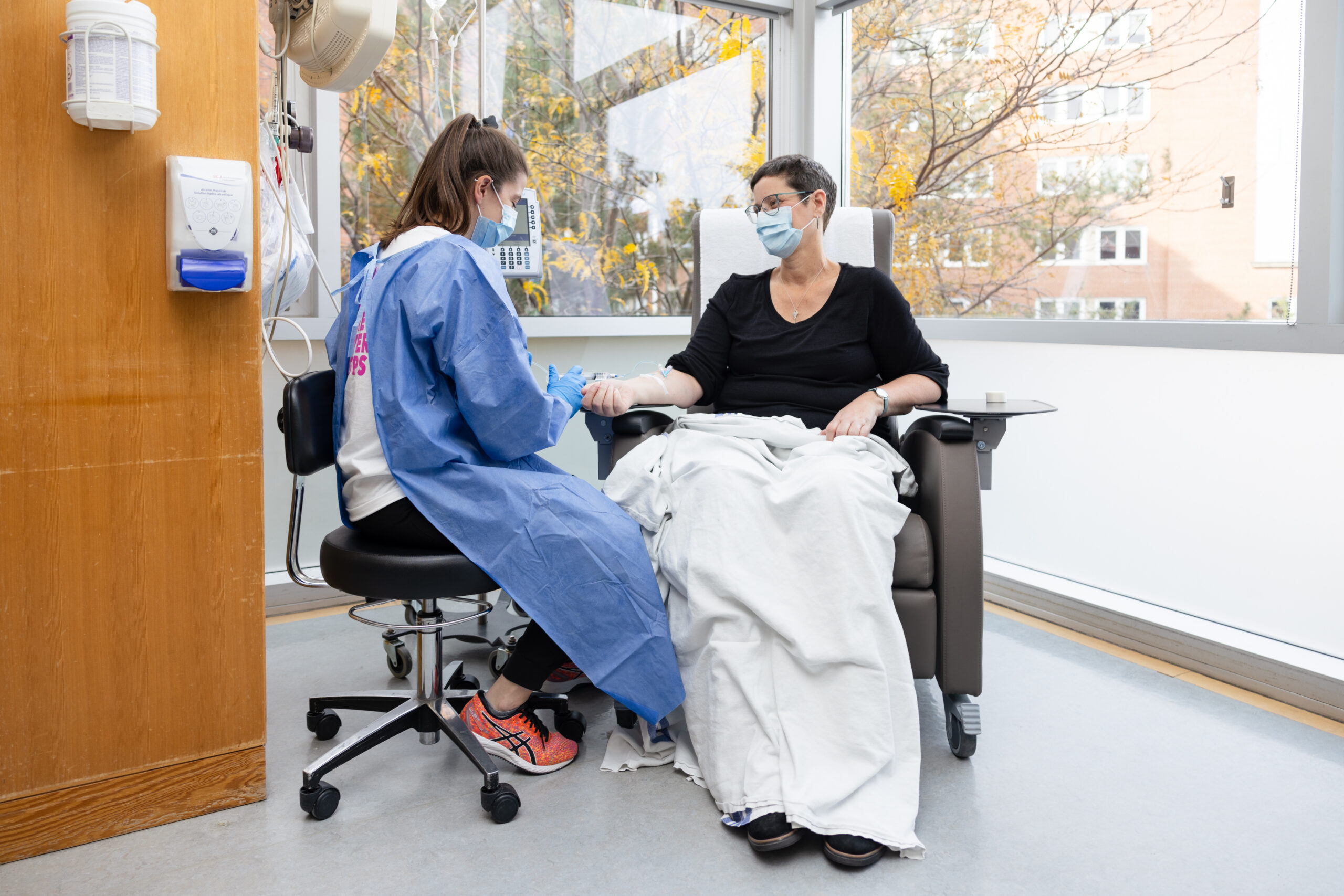
Patient sitting in a treatment chair inside the systemic suite.
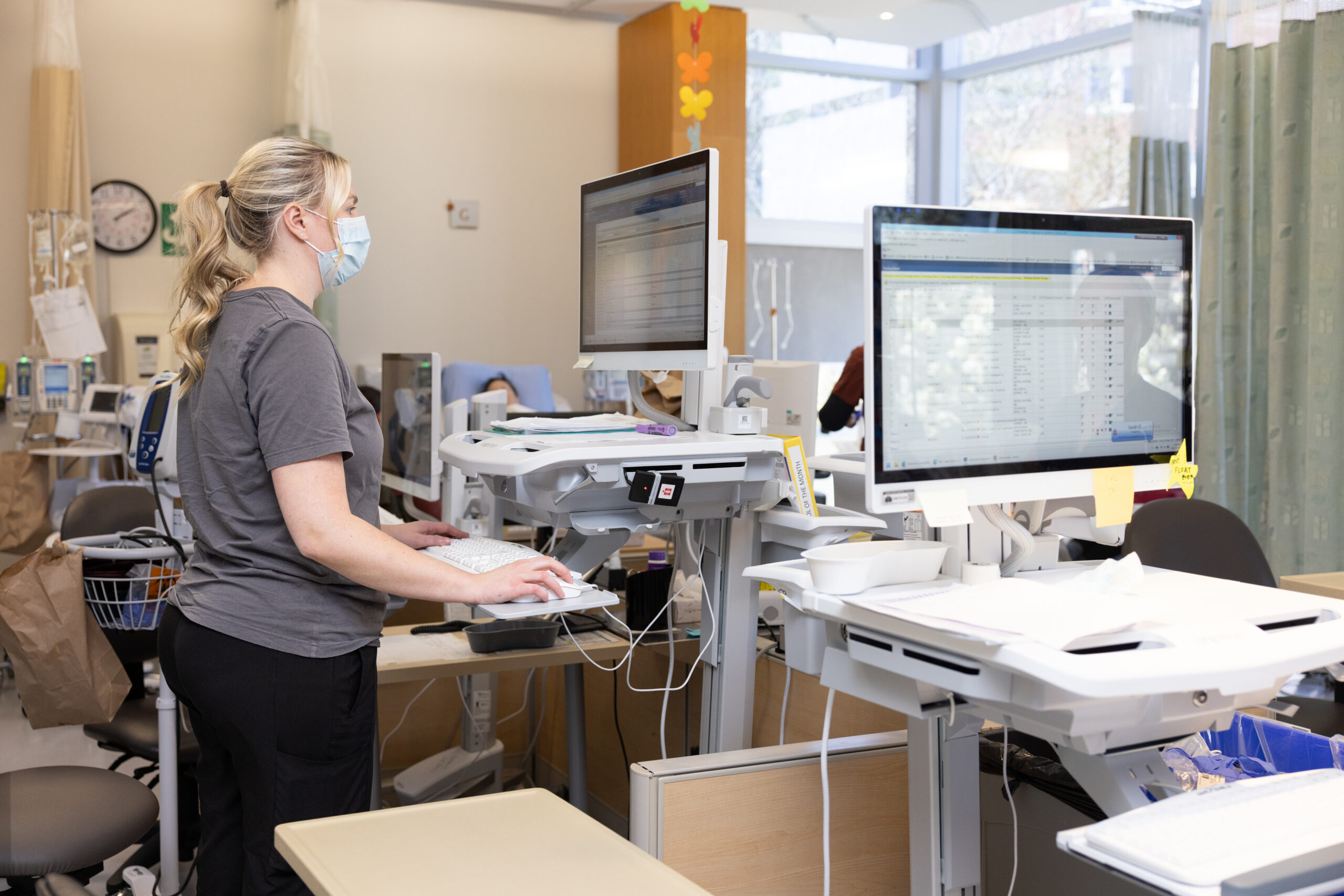
Nurse viewing patient status on a computer inside the Systemic Suite.
Nurse caring for a patient sitting in a chair inside the systemic suite.
Nurse treating a patient inside the Systemic Suite.
Two nurses reviewing medicine.
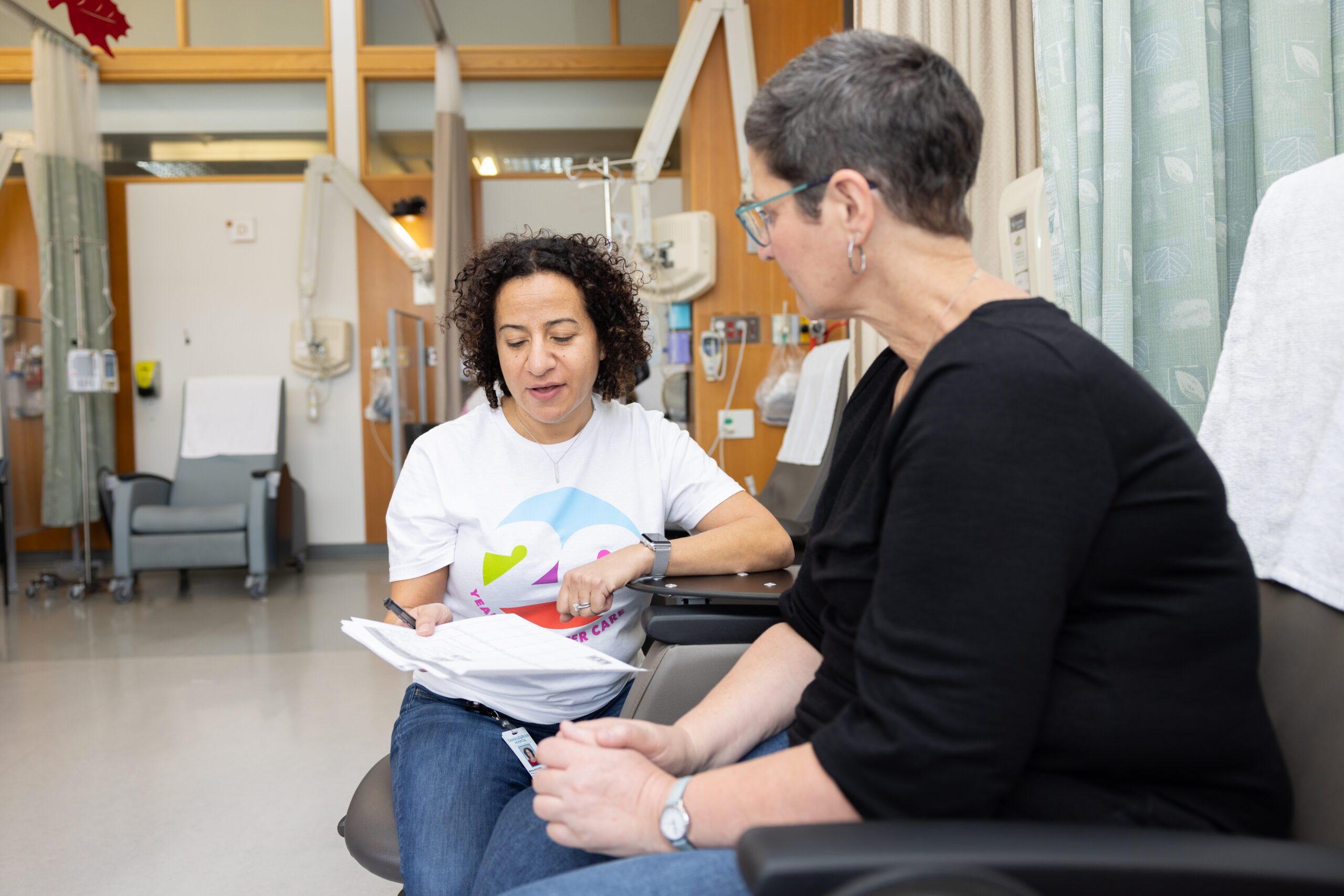
Pharmacist during a new patient teaching inside the systemic suite.

Radiation is a type of cancer treatment that uses high energy x-rays. Radiation therapy damages cancer cells and the healthy cells nearby. You may have side effects (changes) where your body is being treated.
Radiation side effects can:
 open media number 1 in the lightbox modal
 open media number 2 in the lightbox modal
 open media number 3 in the lightbox modal
 open media number 4 in the lightbox modal
 open media number 5 in the lightbox modal
 open media number 6 in the lightbox modal
A patient checking-in at the Radiation Check-In desk (Clinic D)
Photo inside a radiation treatment unit at WRHN Cancer Centre.
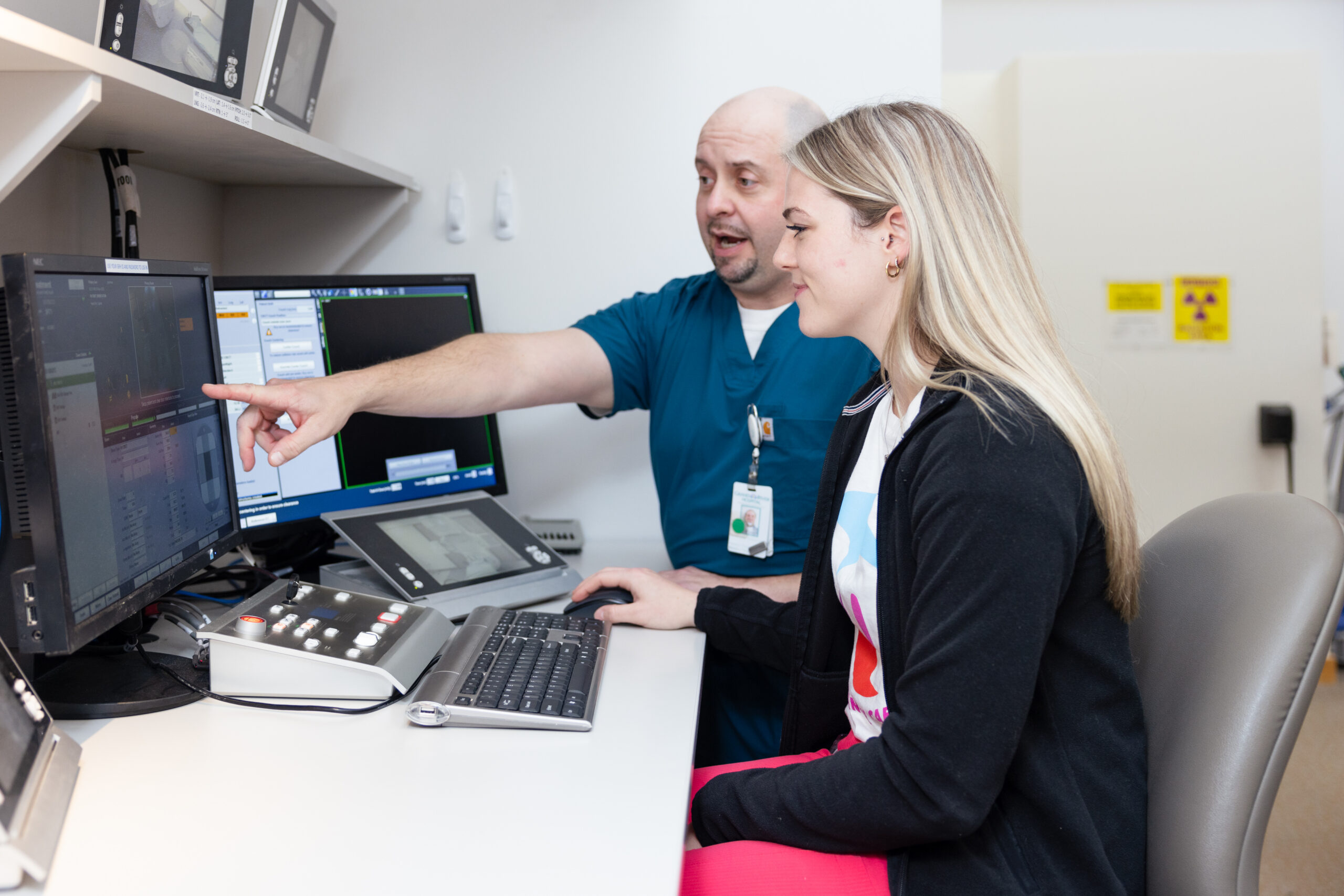
Two Radiation Therapists looking at a computer, preparing to treat their next patient.
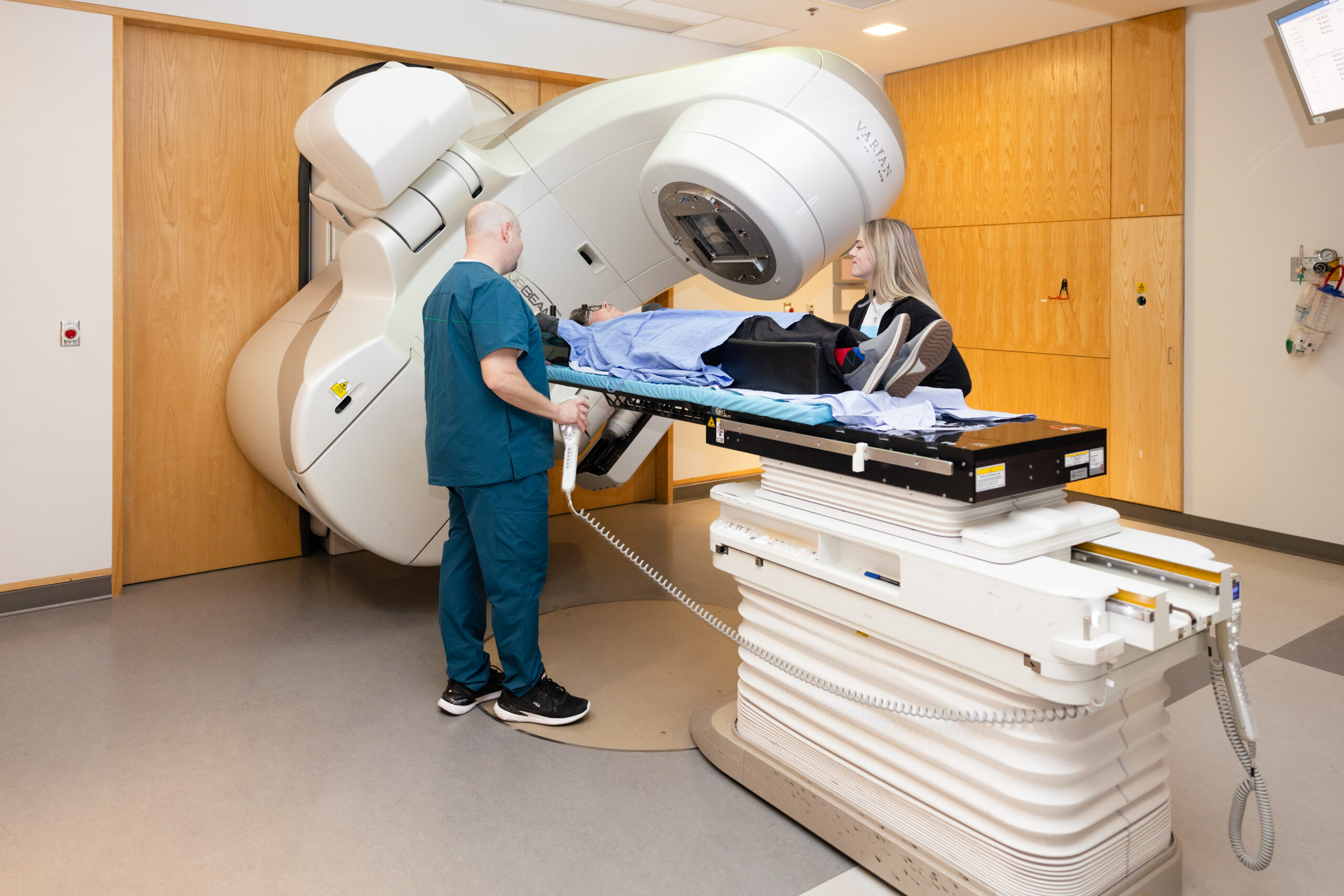
A patient on a radiation treatment table, also showing the underside of a LINAC machine.
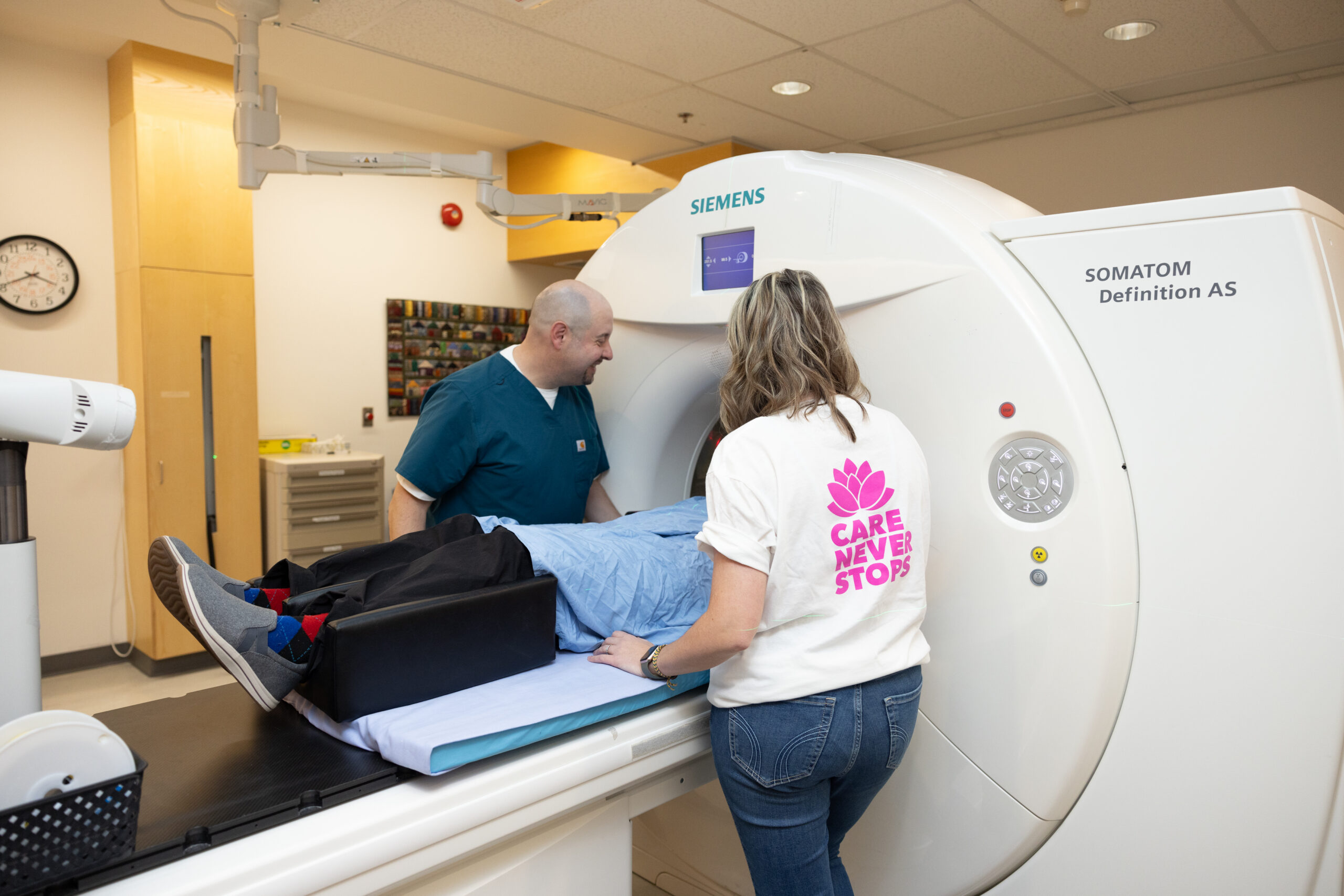
Patient during CT Simulation for their radiation treatment.
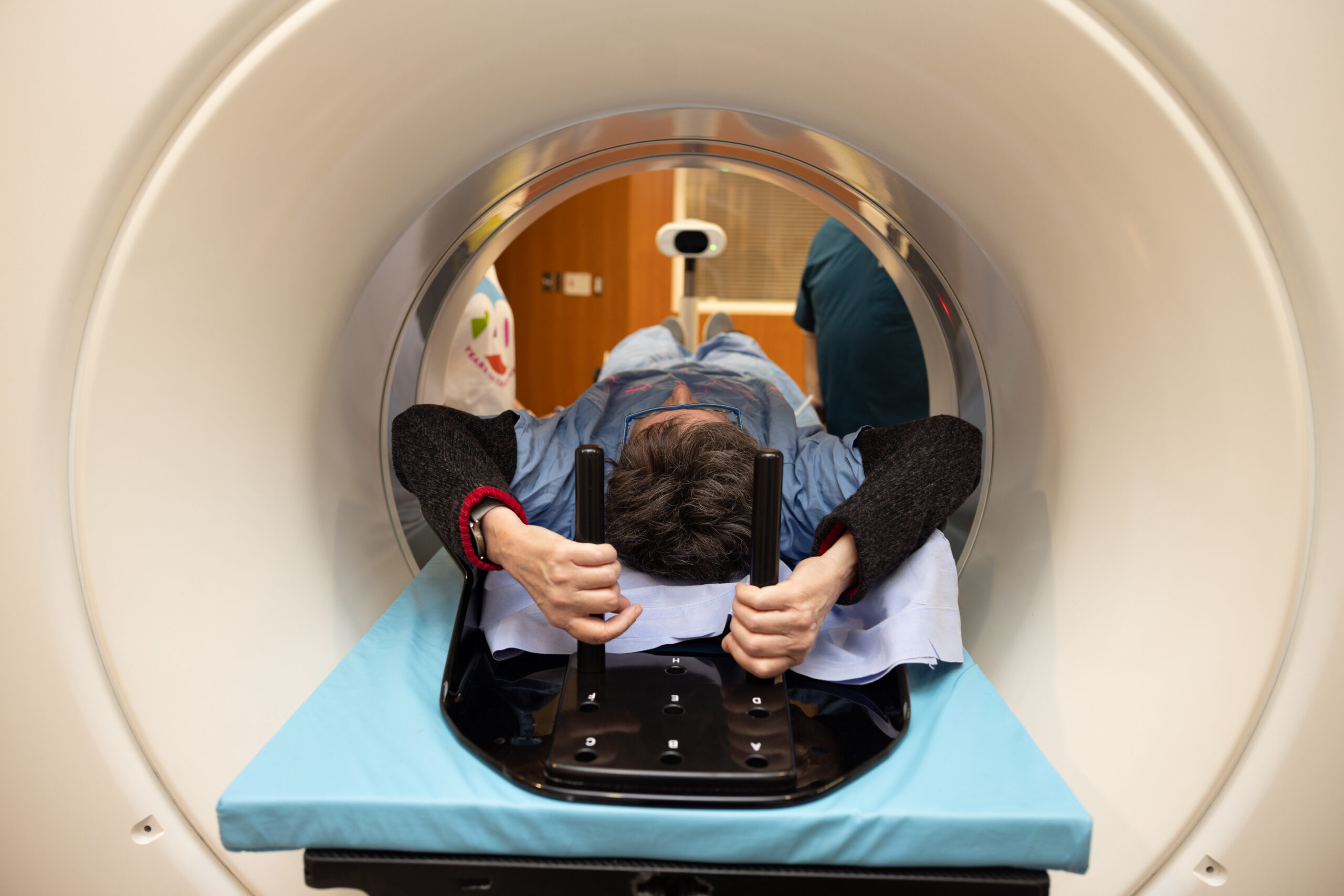
Inside the CT Scanner.
Surgery is sometimes another way to treat your cancer. You might have surgery if your Oncologist or Surgeon needs to look at, remove, or repair tissue.
Surgery can: