


It’s hard to know how you will react until it happens. It may take time for you to really understand or come to terms with getting a cancer diagnosis. Everyone is different, and may experience a diagnosis in different ways.
After getting diagnosed, the following days, weeks and months can feel like a lot to handle. It can be stressful. There are many things to think about, decisions to make, and factors to consider.
Once you are given a cancer diagnosis you might want to know more right away.
You may also just want to take time to think about what the diagnosis means to you. Your family doctor, specialist, or nurse practitioner will fill out a referral form to the Waterloo Wellington Regional Cancer Program. Depending on your needs you may be referred to another cancer program that offers specialty cancer services.
Watch video: https://www.youtube.com/watch?v=TlWmvCuDY5c%3Fsi%3DbP9clK8IMvzBD-3F
The days and weeks after being diagnosed with cancer can be stressful and overwhelming.
I know, I’ve been there.
It’s normal to be in shock or denial at first.
I felt scared, sad … and angry too.
Some people just feel numb.
There’s no right or wrong way to feel.
A mix of emotions will probably come and go.
Before starting treatment, I mostly felt helpless.
I didn’t know what to expect and I was worried about the future.
Why couldn’t treatment start right away?
Having tests and waiting for results was frustrating – it felt like wasting time.
Because every cancer is unique, everyone’s treatment plan will be different.
My doctors used the test results to create a plan just for me.
Your doctors will do the same for you.
They can also reassure you that the time spent on having tests, making a plan and scheduling your treatment should not affect how well the treatment works.
While waiting for treatment to begin, you might want to learn more about cancer.
Ask your doctor where to find information that is right for you.
It can also help to share your feelings with family, friends and people who understand what you’re going through.
Asking questions about what to expect, expressing my feelings and taking brisk walks to relieve some stress helped me cope during this time.
You might cope in different ways. You should know that help is available.
The Canadian Cancer Society has information you can trust and can help you find support close to home.
Visit cancer.ca or call us at 1-888-939-3333.
Once the cancer program gets your referral form, they will look over the information and call you to make an appointment. For your first visit (consult), you might be seen at WRHN Cancer Centre or Cambridge Memorial Hospital.
Once you meet your cancer care team, they will give you more information about the next steps in your treatment and care plan. These first few visits with your oncology care team can feel overwhelming (feeling like there is too much coming at you at one time).
Make sure to tell your healthcare team about any struggles you are having. They can help find you the best supports.
Heading into the healthcare system can be scary. Look through some of the options below to get ready before your first visit.
The Indigenous Cancer Navigator (ICN) is a special role within the cancer program. The ICN works closely with you to support you and your family through each stage of cancer care.
Melanie Turner is the ICN for Waterloo Wellington. Connect with her to get the support you need at ANY point in your cancer care. You do not need a referral and can call or email her directly.
Phone: 519-588-5247
Email Melanie: [email protected]
The resource centre is a hub for all cancer resources, books, tools, and support. You can visit the resource centre in person, phone, or email to connect with a volunteer. There is a lot of cancer information to sift through. Resource Centre volunteers can help you explore information that you can trust is up-to-date and credible.
Address: 3rd Flood, 835 King St West, Kitchener, ON (inside WRHN Cancer Centre)
Phone: 519-749-4380 x2080
Email: [email protected]
Are you new to the cancer program?
Your Guide to the Waterloo Wellington Regional Cancer Program has key information about our regional sites, services, contact information and supports.
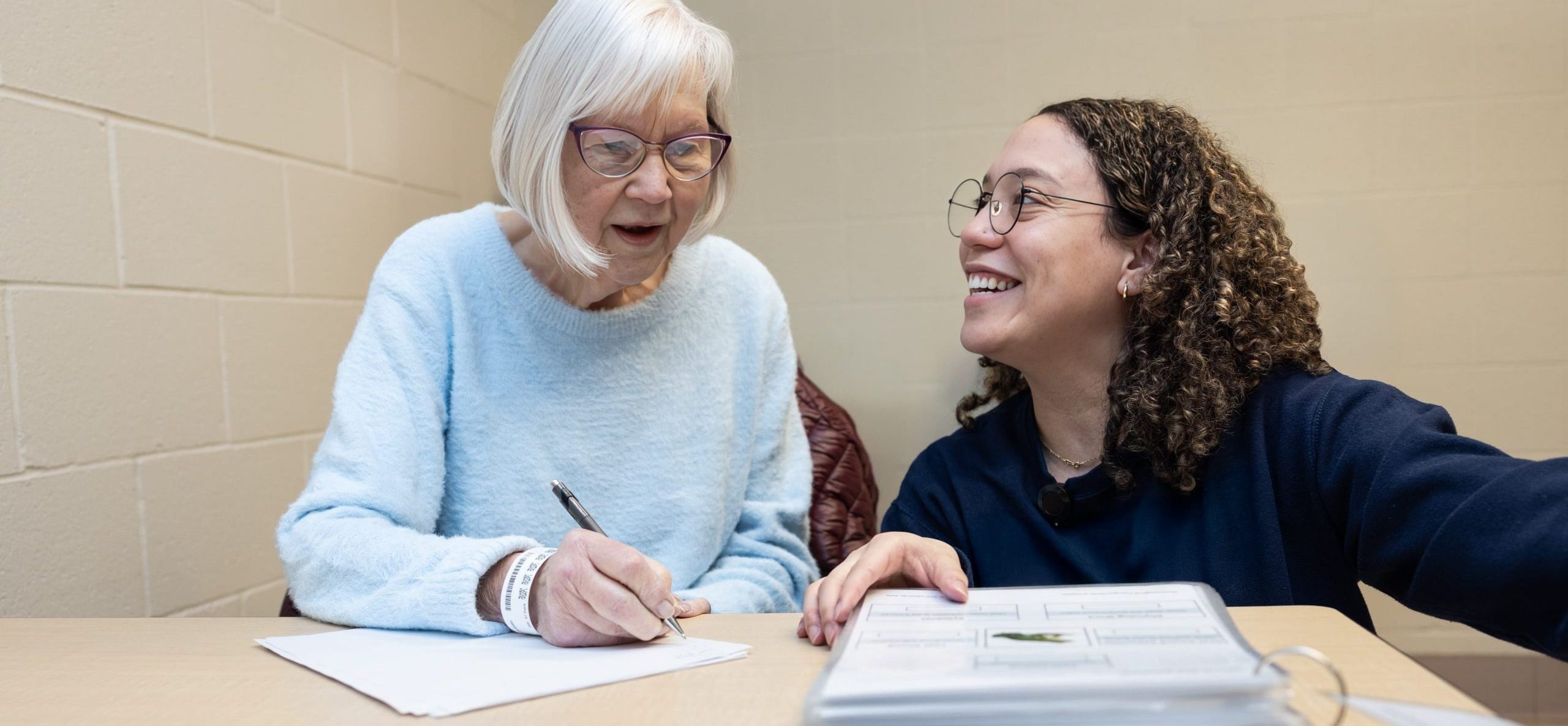
The focus of supportive care is to help you manage the cancer experience. This includes any of your concerns with:
Our Supportive Care Team includes:
You may see 1 or more members of the Supportive Care Team at WRHN Cancer Centre. Learn more about each team member by visiting the Supportive Care Team page.