


What you will find inside:
Dysphagia (dis-FAY-jee-uh) is the medical term for pain or trouble when swallowing.
If you have trouble swallowing, it can be hard to eat and drink. Eating and drinking enough will help you heal, maintain your weight, and stay strong through your cancer treatments.
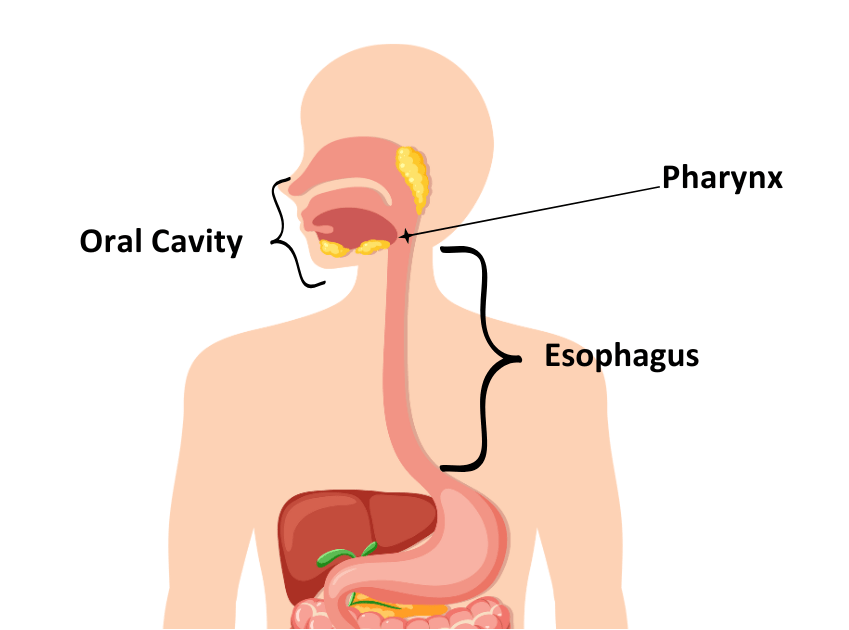
The ways you can manage your dysphagia depend on the area(s) affected:
If you have trouble swallowing you can be at a higher risk of:
Trouble swallowing can make meal times harder or more stressful. Many people who struggle with swallowing can have feelings of anxiety, sadness, fear or anger. These feelings can affect how you enjoy food and your relationship with eating. You might also feel overwhelmed having to manage these side effects at home. It’s normal to feel this way, as these side effects can impact your quality of life. Put simply, dealing with pain and trouble swallowing can be tough.
Ask for help at the first sign of changes to your swallow. This can stop your side effects from getting worse. Sharing your experiences with your healthcare team will let them support you best during your treatment.
Trouble swallowing can be the result of a side effect of cancer treatment or the cancer itself. This can include:
Cancer treatments can damage the mucous membranes that line the mouth, throat and esophagus. This can lead to pain or trouble swallowing. These side effects can start any time during your treatment. They may get worse over time. Sometimes side effects can last for weeks (or linger for months) after treatment is finished. Know that everyone is unique. No one can foresee who will get side effects, or how long they will last. The best way to manage pain or problems swallowing is to tell your healthcare team as soon as you notice changes.
EAT-10 is an online survey that can direct you to seek help for problems swallowing. Scoring over 3 points means that you might have trouble, and should ask your healthcare team for help.

Usual signs and symptoms of trouble swallowing include:
Tell your healthcare team as soon as you notice any change in your swallow. They can suggest options to manage your trouble swallowing. This might include a referral to a specialist (e.g. Speech Language Pathologist, Registered Dietitian, or Registered Social Worker) to support you.
Take the drugs prescribed by your healthcare team. Some of these can help appetite, or control nausea, heartburn or pain.
Can help you manage swallowing problems. They can guide you in how to improve your swallow and modify foods for safety. Learn more about Speech Language Pathologists.
Can help you choose the right type and amount of food to eat. They will guide changes to your diet to help maintain your weight and strength. Learn more about Registered Dietitians.
Can offer support and counselling services. They can also connect you with resources in the community. Learn more about Social Workers.
You should contact your healthcare team right away if you have:







Volunteers can help you find more information about your cancer, symptoms, or care. They can also print or email helpful resources.
Open Monday to Thursday, 9 a.m – 4 p.m.
3rd Floor (main floor) Grand River Regional Cancer Centre, J339
519-749-4380 x2080


About This Resource
Author: Waterloo Wellington Regional Cancer Program
Revised: December 2024
PEM#: PEMWRHNCC0020
Use this resource for your information only. It does not replace medical advice from your doctor or other healthcare professionals.
Email: [email protected]
Website: www.cancerwaterloowellington.ca
During Treatment
This pathfinder can guide you to resources and information to support trouble swallowing.
Support
A quick reference guide to books, resources, and website on a specific cancer topic.
Support
A quick reference guide to books, resources, and website on a specific cancer topic.