Skip to Main Content

Ontario’s healthcare system offers a range of services to support your health.

Whether you need routine care, urgent help, or specialized treatment, knowing and understanding your options makes it easier to get the care you need when you need it.

How Healthcare Works in Ontario

Canadian citizens, permanent residents, or those with valid work permits living in Ontario may qualify for the Ontario Health Insurance Plan (OHIP). OHIP covers the cost of most healthcare services.

While most health services are paid for by OHIP, some are not. For others, OHIP only covers part of the cost. If you need these services, you will have to pay for them or use private health insurance.

If you do not have a valid health card, you will also need to pay or use private insurance when you get healthcare in Ontario.

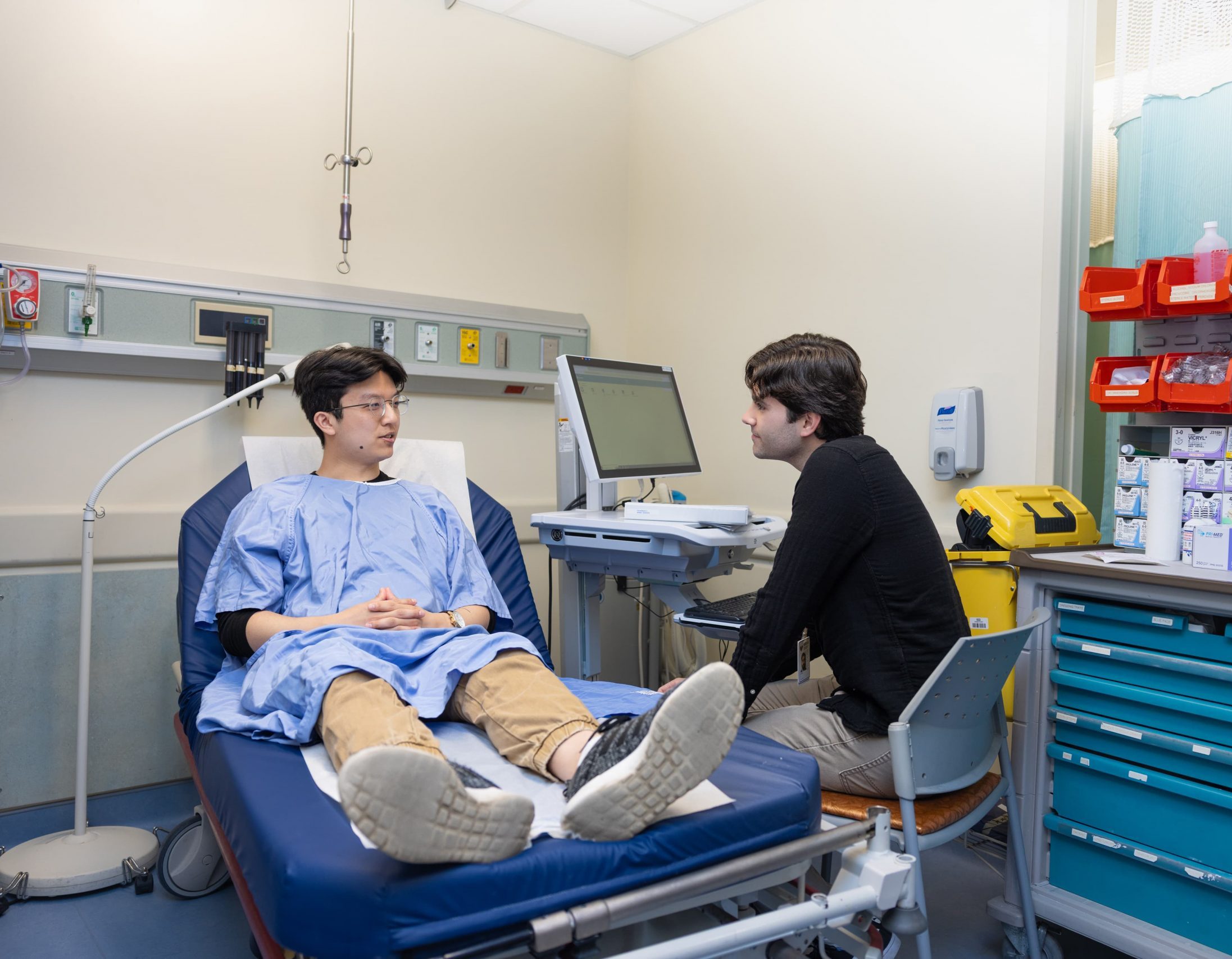
A patient in a hospital gown sits on a bed talking to a healthcare professional in an exam room.

What Is Covered by OHIP?

You must have a medical reason to get a service or treatment for it to be covered by OHIP. OHIP pays for all or part of the cost of many health services, including:

What Is Not Covered by OHIP?

Some services are not paid for by OHIP, including:

  • prescription medicine (except while staying in the hospital)
  • dental services provided at a dentist’s office
  • eyeglasses and contact lenses
  • some specialized, non-routine medical tests
  • cosmetic and some elective surgery
  • vaccines for travel, work, or school
  • missed appointment fees and sick notes
  • regular eye exams for adults ages 20 to 64
  • certain therapies, like physiotherapy, massage therapy, or chiropractic care

Find a Healthcare Provider

Family Doctors & Walk-In Clinics

Ontario doctors are covered by public healthcare through OHIP, so anyone with a valid OHIP card does not need to pay to see one. If you need to see a doctor, you can visit a family doctor or walk-in clinic.

A family doctor or nurse practitioner is the person you make an appointment with when you have a new health concern that is not an emergency. They are also your main contact for regular check-ups and guidance on staying healthy. Family doctors and nurse practitioners can:

  • do regular check-ups and tests
  • check and treat common illnesses and injuries
  • prescribe medicine
  • refer you to a healthcare specialist to help with a specific condition
  • help you manage a chronic (ongoing) condition, such as diabetes or high blood pressure

If you cannot wait for an appointment with your family doctor or you do not have one, walk-in clinics can also treat illnesses and injuries that do not need emergency care.

When to Visit the Emergency Department

If you need immediate help, call 9-1-1.

Hospital emergency departments treat serious illnesses and injuries. They are open all day and night, every day of the year. If you are having a medical emergency, go to the emergency department right away. A doctor or nurse will check your condition and make sure you get the care you need.

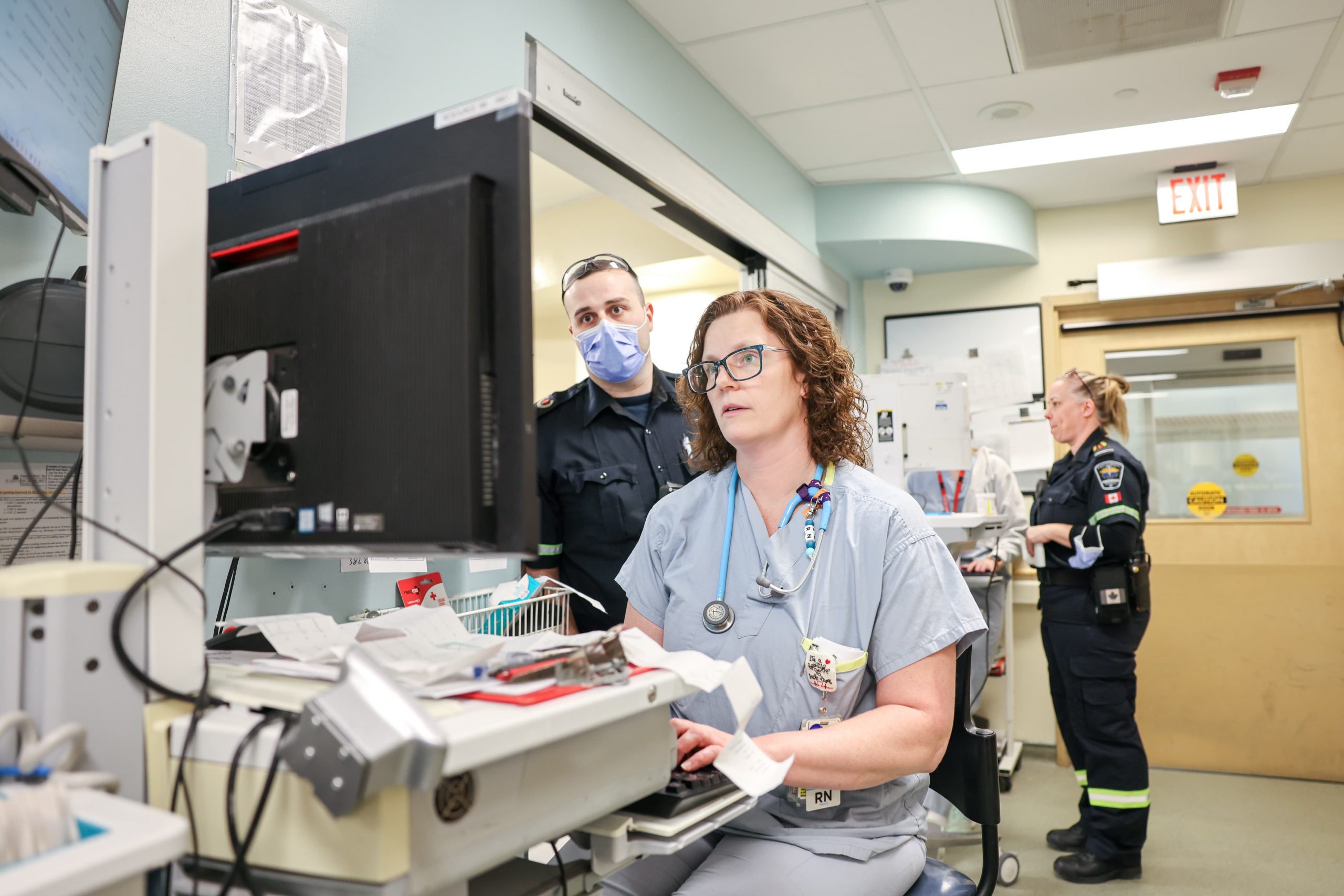
A nurse works at a computer station in a hospital as two paramedics stand nearby in uniform.

If it is not an emergency, you should choose a different healthcare option, like your family doctor or a walk-in clinic. Some examples of medical emergencies include:

  • chest pain or trouble breathing
  • head or spine injuries
  • bleeding that will not stop
  • a serious accident or injury
  • passing out or losing consciousness
  • sudden weakness, numbness, or trouble speaking (signs of a stroke)

In the emergency department, the most serious patients are treated first, so you may need to wait for care. Remember to bring your health card if you have one, a complete list of any medicines you are taking, and a phone or contact list. Emergency care is available at WRHN @ Midtown and WRHN @ Queen’s Blvd.

Ontario Health Teams

Ontario Health Teams (OHTs) bring community organizations and healthcare providers together to share resources and better coordinate services and care, making healthcare more connected and easier to access for everyone who needs it.

Each Ontario Health Team includes different types of organizations and providers, such as:

  • family doctors and nurses (primary care)
  • hospitals
  • home care
  • social services
  • mental health and addictions services
  • long-term care homes
  • colleges and universities

WRHN is a member of the KW4 Ontario Health Team (KW4 OHT), which serves Kitchener, Waterloo, Wellesley, Woolwich, and Wilmot. You can learn more about their initiatives and how to get care by visiting their website.