Skip to Main Content

Preventing Cancer

Cancer prevention means trying to avoid things that might cause cancer.

Cancer prevention means trying to avoid things that might cause cancer.

There are risk factors that you have control over. For example, the types of food you eat or the amount of exercise you get.

Learning more about preventing cancer can help you take action against cancer.
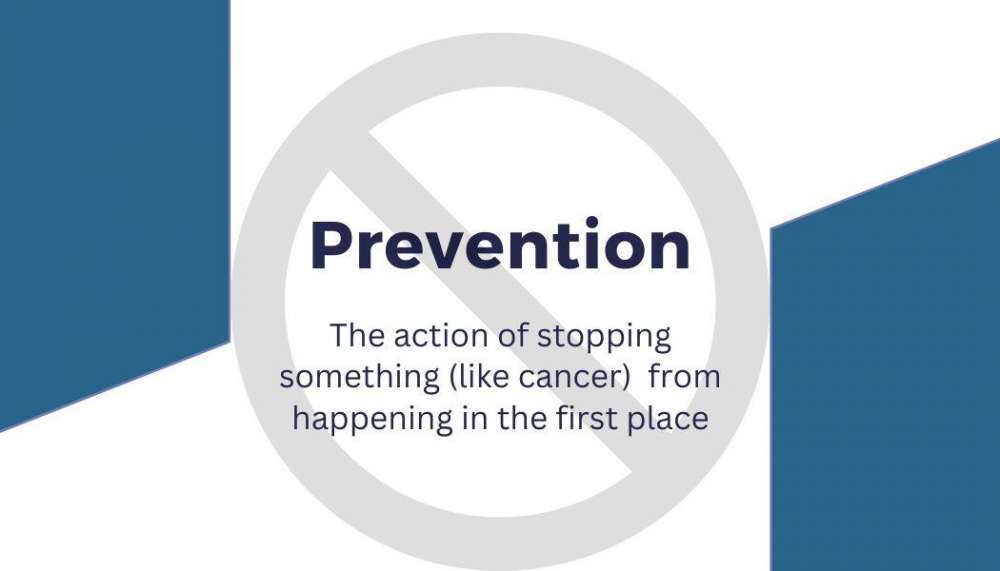
An icon showing a circle crossed by a line with text explaining that prevention means stopping something, such as cancer, before it happens.
Image of a circle with a diagonal line through it, used as a prevention symbol, with the definition of ‘Prevention’ included within the design.

Did you know that between 30% to 50% of all cancers can be prevented (World Health Organization)? That means that the choices you make in your life can help you lower your risk of getting cancer.

6 Ways to Lower Your Cancer Risk Today

Person eating a plate of assorted vegetables, rice, and dumplings with a fork, with a small bowl of dip on the side.

Eat Well

Focus on eating whole foods each day to stay strong and lower your risk of getting cancer.

Tools:

Websites:
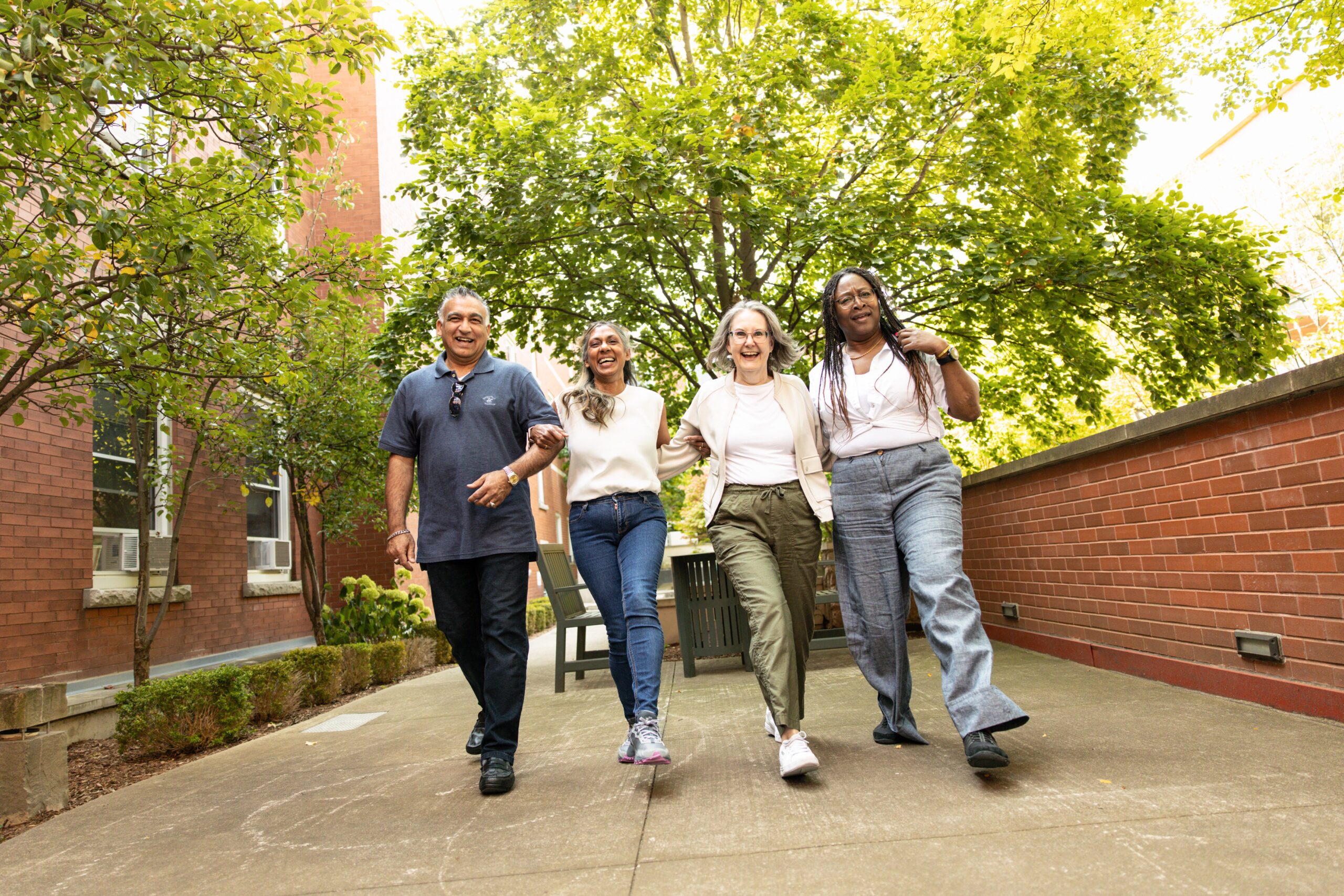
Four adults walk arm-in-arm down a tree-lined sidewalk in an outdoor urban setting on a sunny day.

Physical Activity & Exercise

Being active and moving your body daily for 20 minutes can help lower your risk of getting cancer.

Tools:

Websites:

A person applies lotion from a gold tube onto the back of their hand outdoors, wearing a light gray cardigan.

Sun Safety

Practice sun safety and protect your skin from harmful UV rays to lower your risk of getting skin cancer. Indoor tanning is banned for people under 18 years of age in our province.

Tools:

Websites:

A person holds a glass of water with cucumber, orange, and raspberry; two others sit blurred in the background at a table.

Drinking Less Alcohol

Even small amounts of alcohol increase your cancer risk. Limit drinks to two or fewer per week to keep your risk low.

Tools:

Websites:
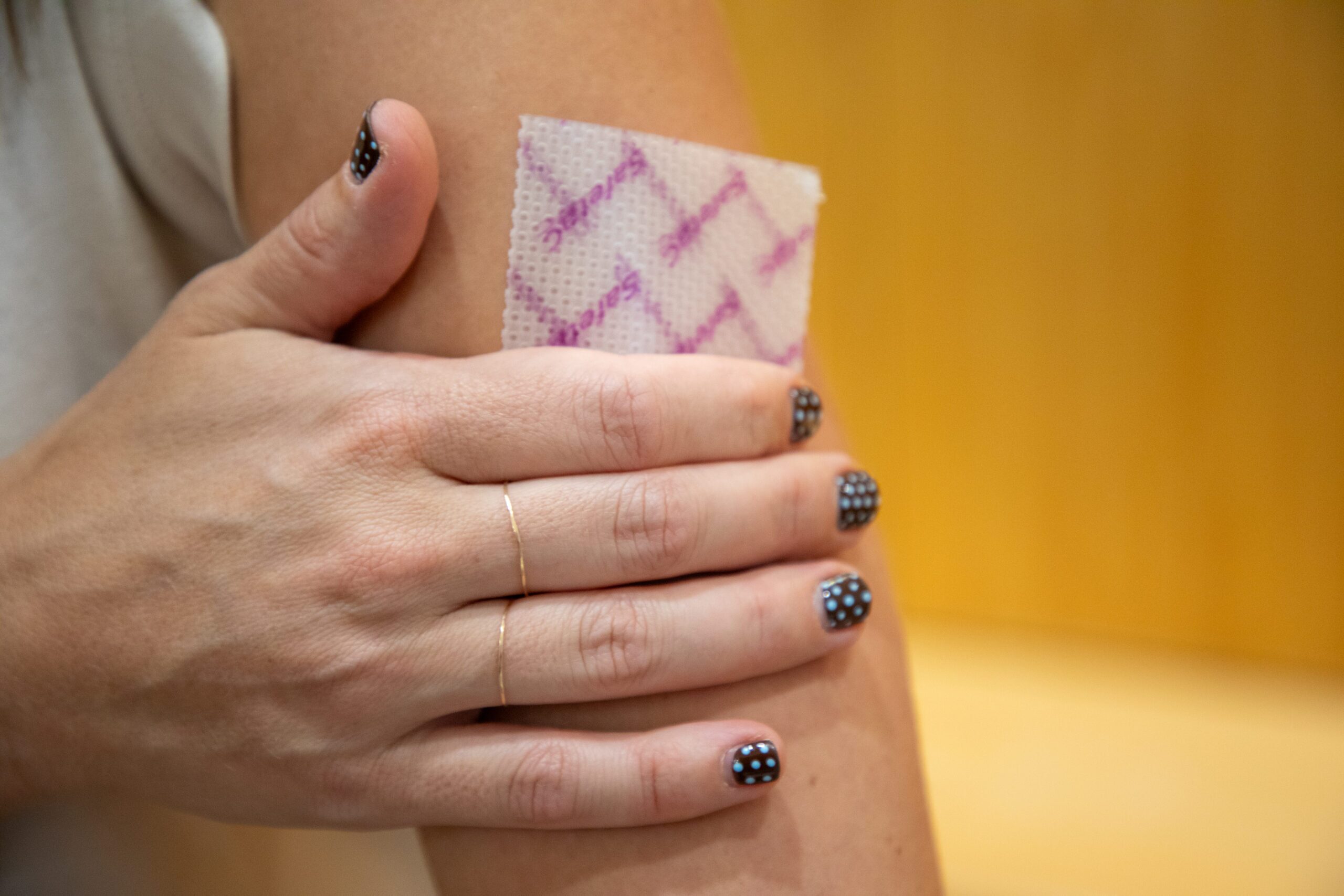
A person showing a nicotine patch on their upper arm, with polka-dotted painted fingernails.

Quitting Smoking

Quit smoking and lower your risk of many types of cancer.

Tools:

Websites:

Two people sit side by side on outdoor steps, one with an arm around the other, both facing away from the camera.

Sexual Health

Some infections can lead to cancer. Vaccines can help protect you. The HPV and Hepatitis B (Hep B) vaccines can prevent cancers. This includes cancers in the cervix, anus, head, neck, and liver.

Tools:

Websites:

My CancerIQ

Learn about your risk for cancer

My CancerIQ is a website that can help you find out your risk of getting a certain type of cancer. My CancerIQ won’t tell you whether you’ll get cancer or not. My CancerIQ can help you focus on specific changes you can make to lower your cancer risk and live a healthier life.

The website has a number of online assessment tools (like a quiz) that are for certain types of cancer like:

  • Breast
  • Cervical
  • Colorectal (colon & rectum)
  • Kidney
  • Lung
  • Melanoma

As you work through the assessments (quizzes), you’ll learn:

  • What factors help to keep your risk of cancer down
  • What factors raise your risk of getting cancer
  • What you can do to manage or lower your risk (helpful tools)
  • Learn whether you should be screened for particular types of cancer, such as colorectal, cervical and breast cancer. If screening is an option, your final report will link you to screening resources in your community

How the assessment (quiz) works

  • You will be asked questions about things that may affect your risk
  • Your risk is based on studies of people age 40 and over who have no previous history of cancer. But everyone can benefit by learning more about their risk and getting a personal health action plan
  • Save, print or email your results to yourself or share them with your healthcare team
  • Your risk can change over time. Check back every so often to see whether there has been a change
  • This assessment (quiz) will not diagnose cancer
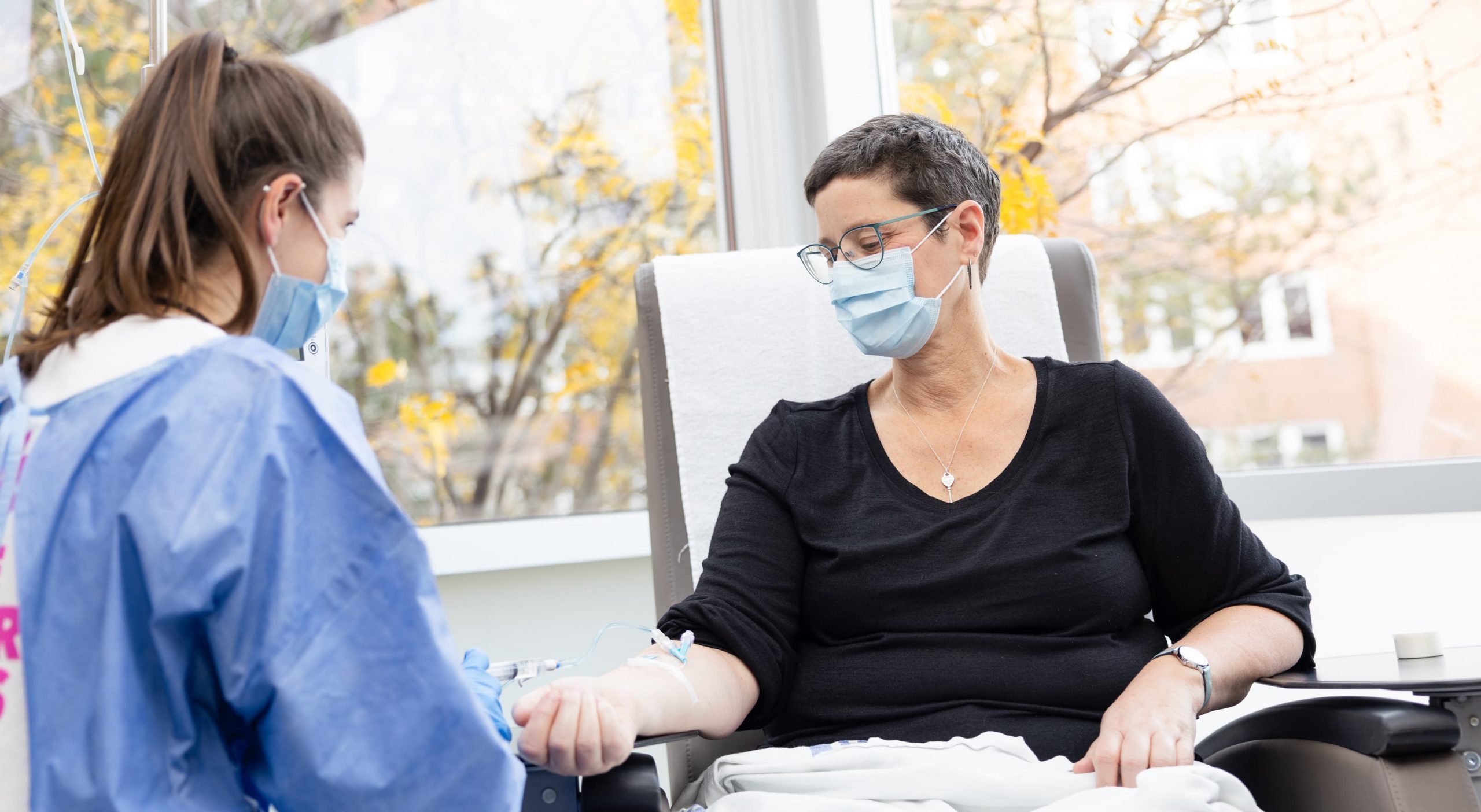
A healthcare worker administers an IV to a seated patient wearing a mask in a medical setting.