Healthcare requires support the patient across their entire health journey—from diagnosis to healing. Our hospitals across Waterloo Wellington work together to bring care as close as possible to our patients and ensure that it is centred around the person, not the diagnosis.
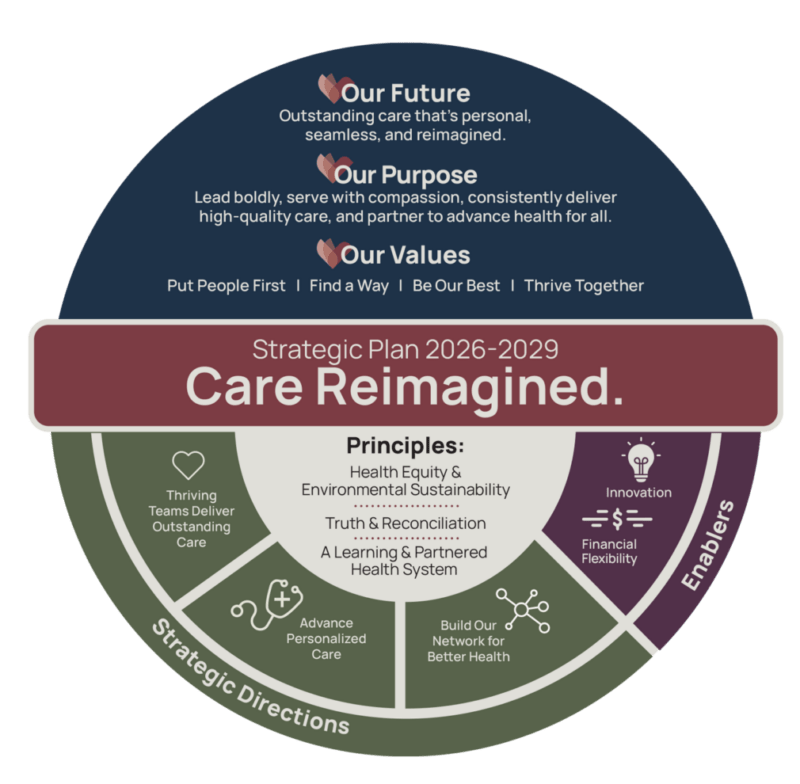
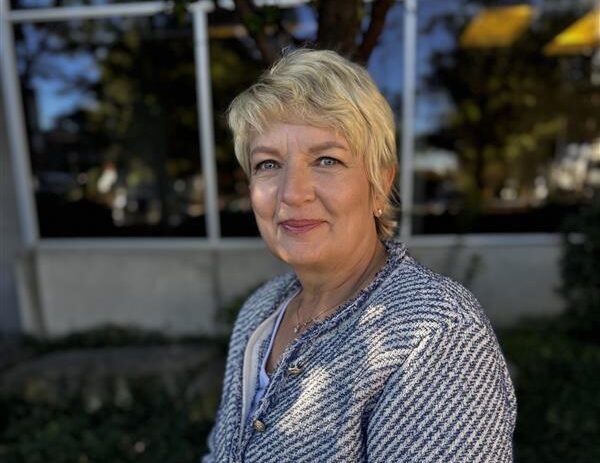
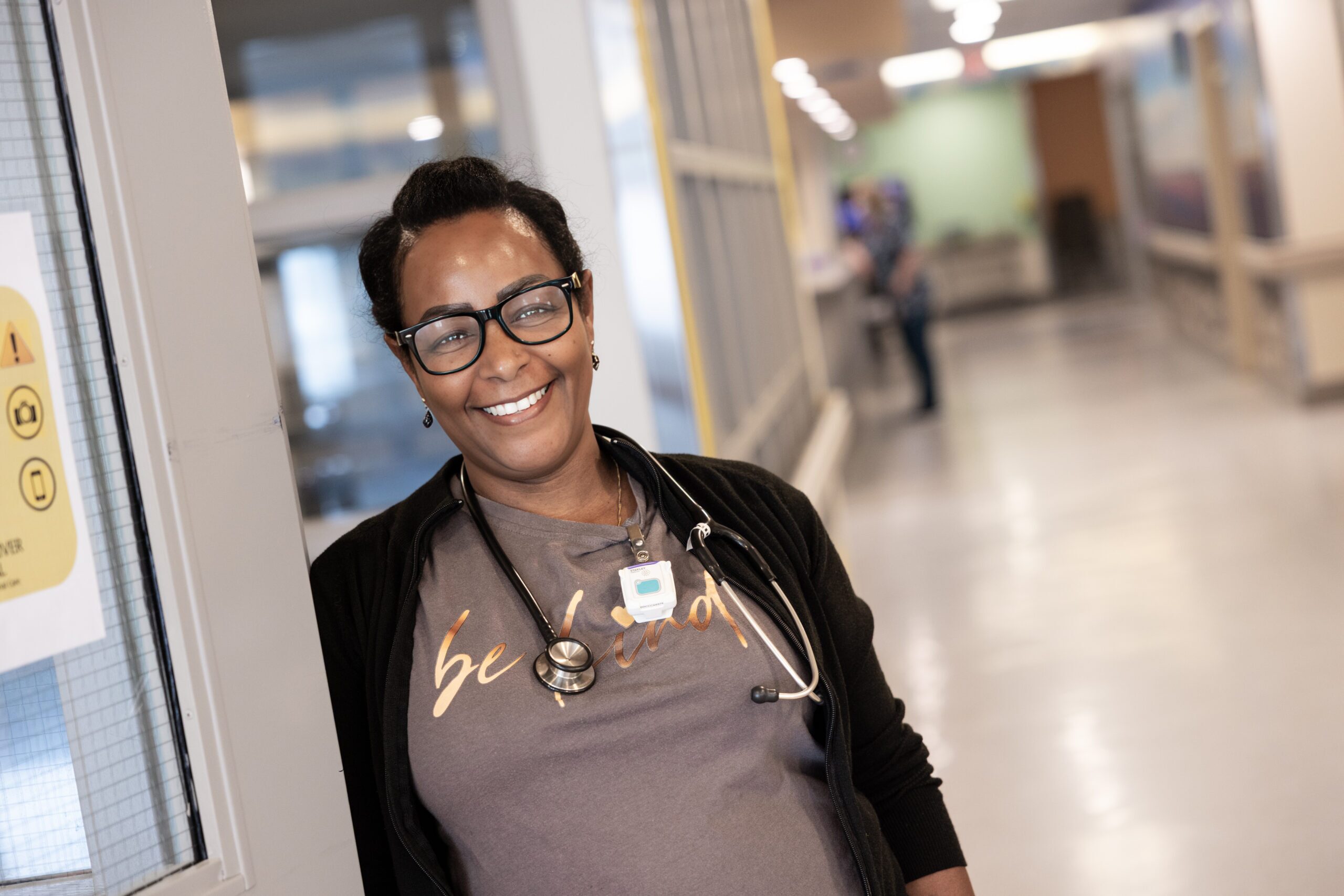
Natalia is not only a patient, but she is also one of WRHN’s Nurse Practitioners. When she was diagnosed with breast cancer, she experienced our health system from a different perspective: as someone navigating uncertainty, vulnerability, and deeply personal decisions about her care. Natalia’s story reflects how we continue to advance our priority of Personalized Care, enabled by innovation and grounded in our commitment to being a Learning and Partnered Health System.
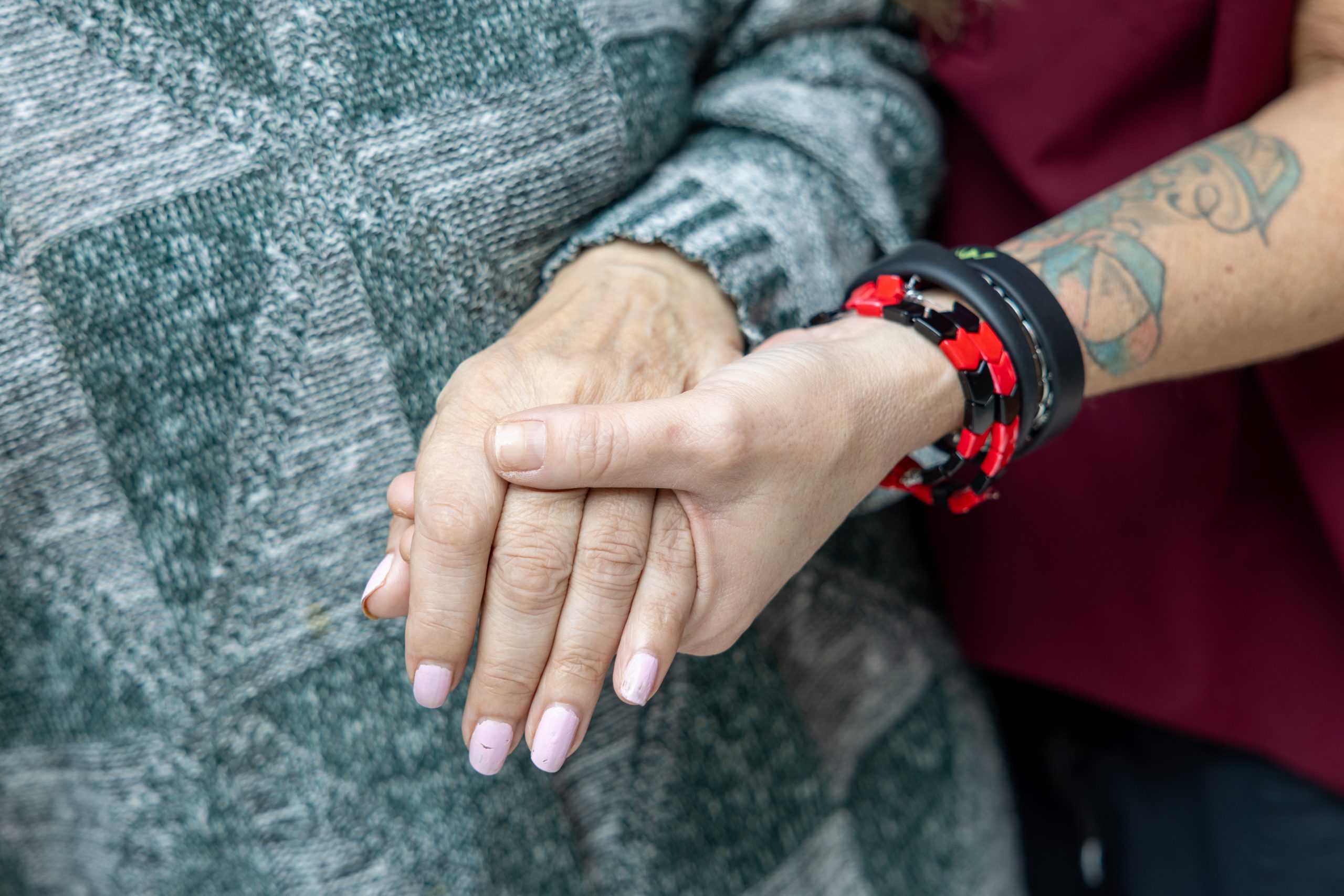
She received treatment at the WRHN Cancer Centre, where one moment stands out. A physician sat beside her and carefully mapped out her treatment plan, step by step. What initially felt overwhelming became understandable and manageable. In that moment, personalized care meant more than clinical expertise; it meant empathy, clarity, dignity, and time.
Natalia’s journey continued with breast reconstruction surgery at Cambridge Memorial Hospital. This next phase of care was not simply procedural, it was personal. For her, reconstruction was an important part of her healing, helping her feel whole again and giving her strength and confidence as she moved forward.
Her experience demonstrates the power of working as a connected network. Across WRHN, teams collaborated to wrap coordinated supports and services around her, clinical care, surgical expertise, and compassionate guidance, ensuring she received the right care, at the right time, in the right place. Innovation enabled seamless transitions. Partnership across sites and partners ensured continuity. And a learning mindset allowed teams to respond to her unique goals and preferences.
Natalia’s story reminds us that advancing personalized care means seeing the whole person, not just the diagnosis and designing care plans with patients, not just for them, learning from each patient journey to improve the next.
“I was overwhelmed. Even though you think you can process information, it’s very complicated. Dr. Califaretti one of the best oncologists I have ever met, despite her busyness, sat beside me and drew a road map from the day of diagnosis, through the treatment, all the way to the end. When I completed my treatment, we looked back at that map and said — look how much we achieved, and where we are now.”
— Natalia, Nurse Practitioner & Patient