Skip to Main Content

Waterloo Regional Health Network (WRHN) walks with Indigenous Peoples to improve care.

Together, we are building a hospital network that includes Indigenous cultures and traditions.

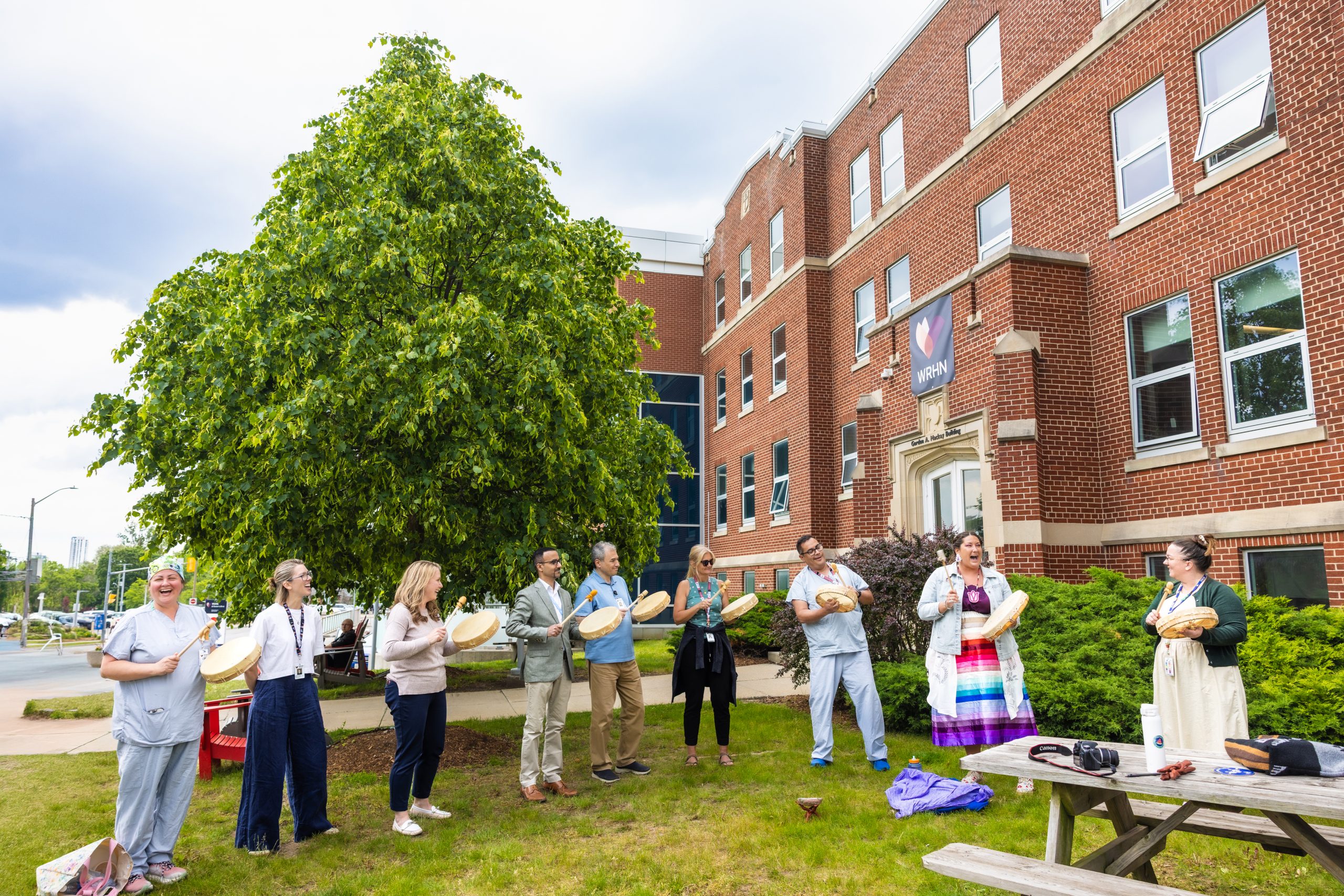
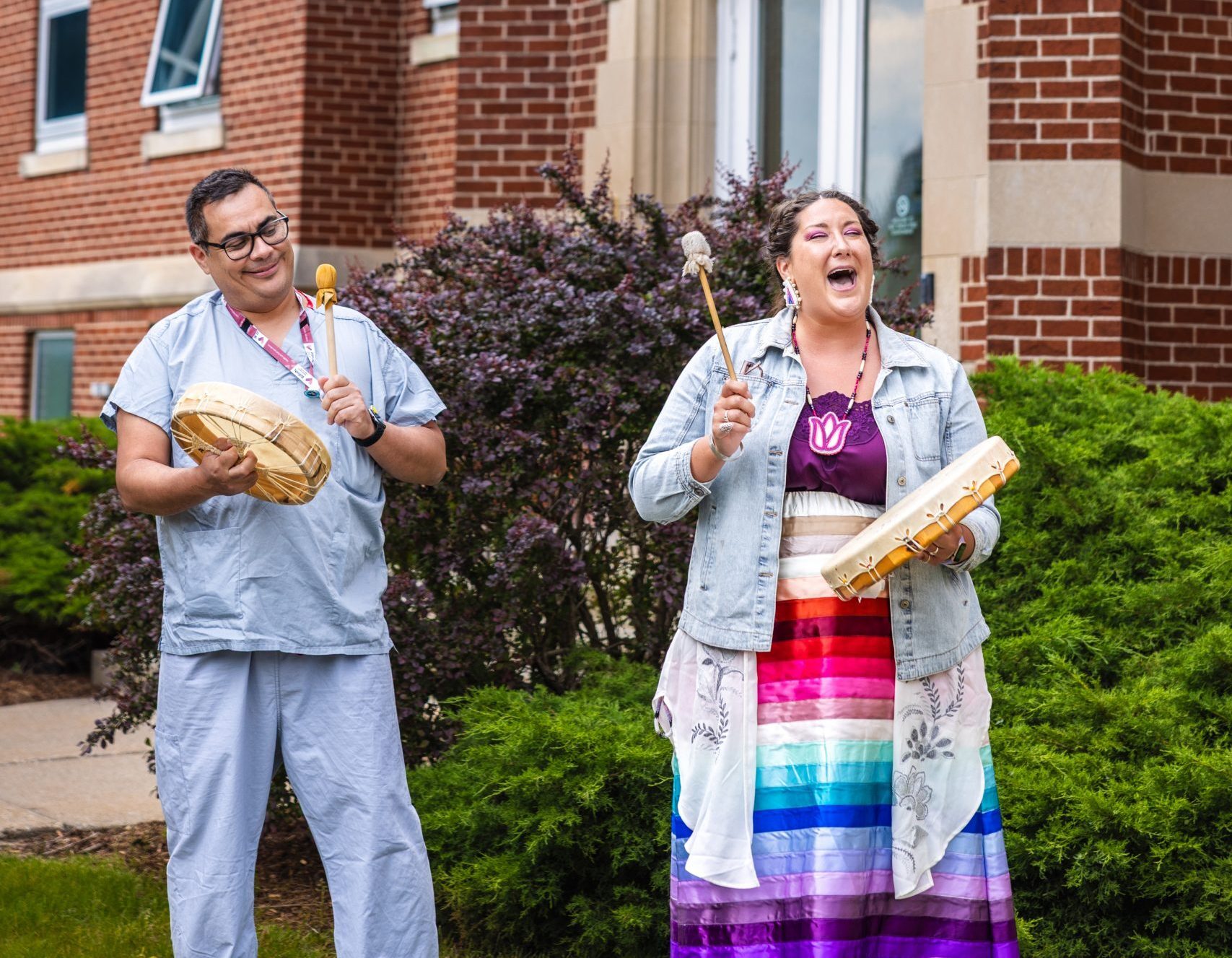
Two people stand outside a brick building, each playing a hand drum and smiling, with a WRHN sign above the entrance.

Working Together for Indigenous Health

Indigenous voices shape Indigenous health at WRHN. This work is also guided by:

  • the Indigenous Health Plan
  • the Regional Indigenous Cancer Plan
  • the Truth and Reconciliation Commission’s Calls to Action
  • the Calls for Justice
  • the rights of Indigenous Peoples

We work together to make programs and spaces more welcoming and respectful.

Reconciliation is an important part of Indigenous health. Reconciliation means working together to fix harm from the past. It includes making changes to respect Indigenous rights, cultures, and ways of life. WRHN is taking active steps toward reconciliation. We partner to make care better for Indigenous Peoples.

The Indigenous Health and Reconciliation Team (IHRT), the Indigenous Employee Circle (IEC), and the Indigenous Advisory Council (IAC) support this work.

Indigenous Health & Reconciliation Team

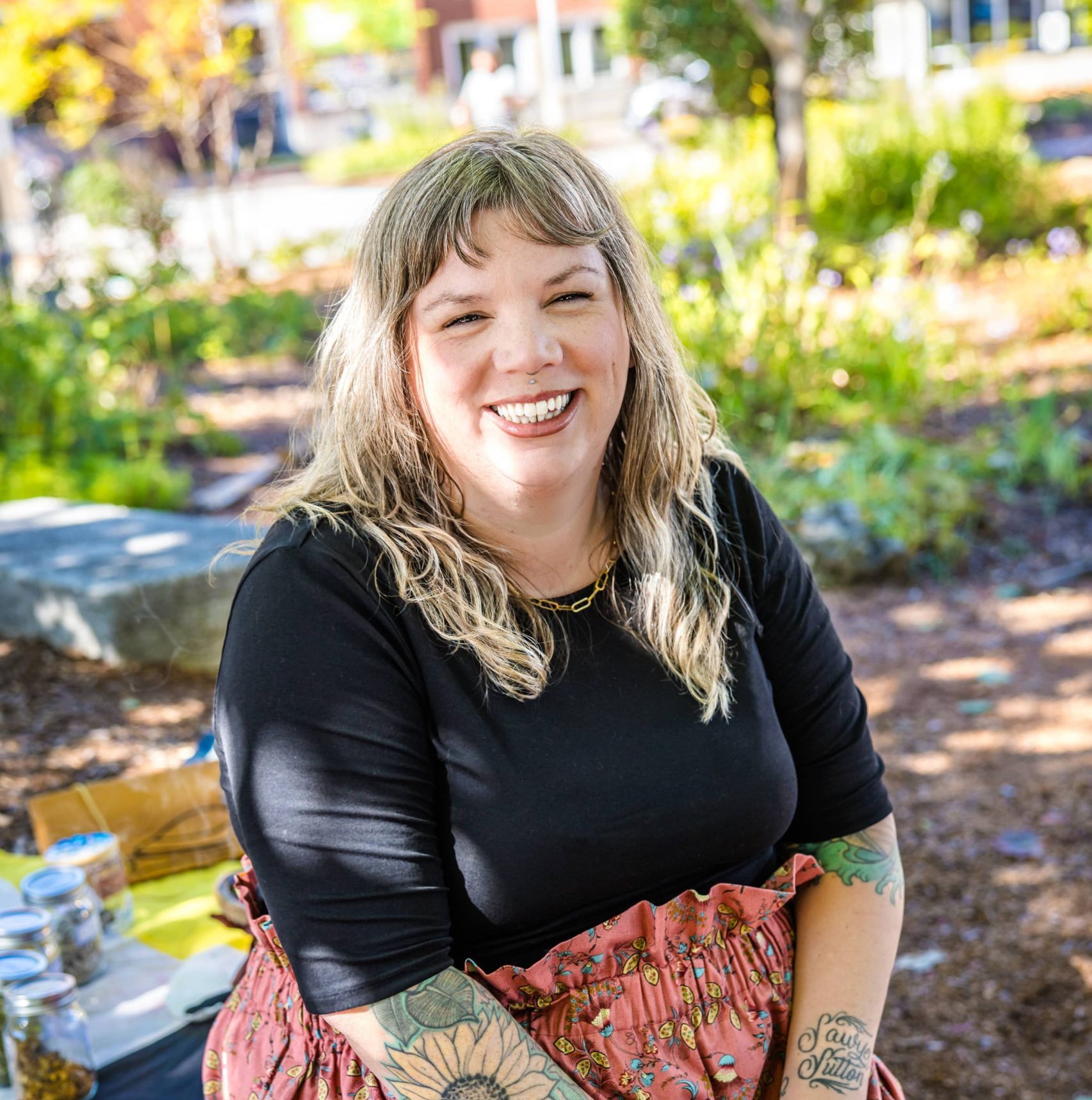
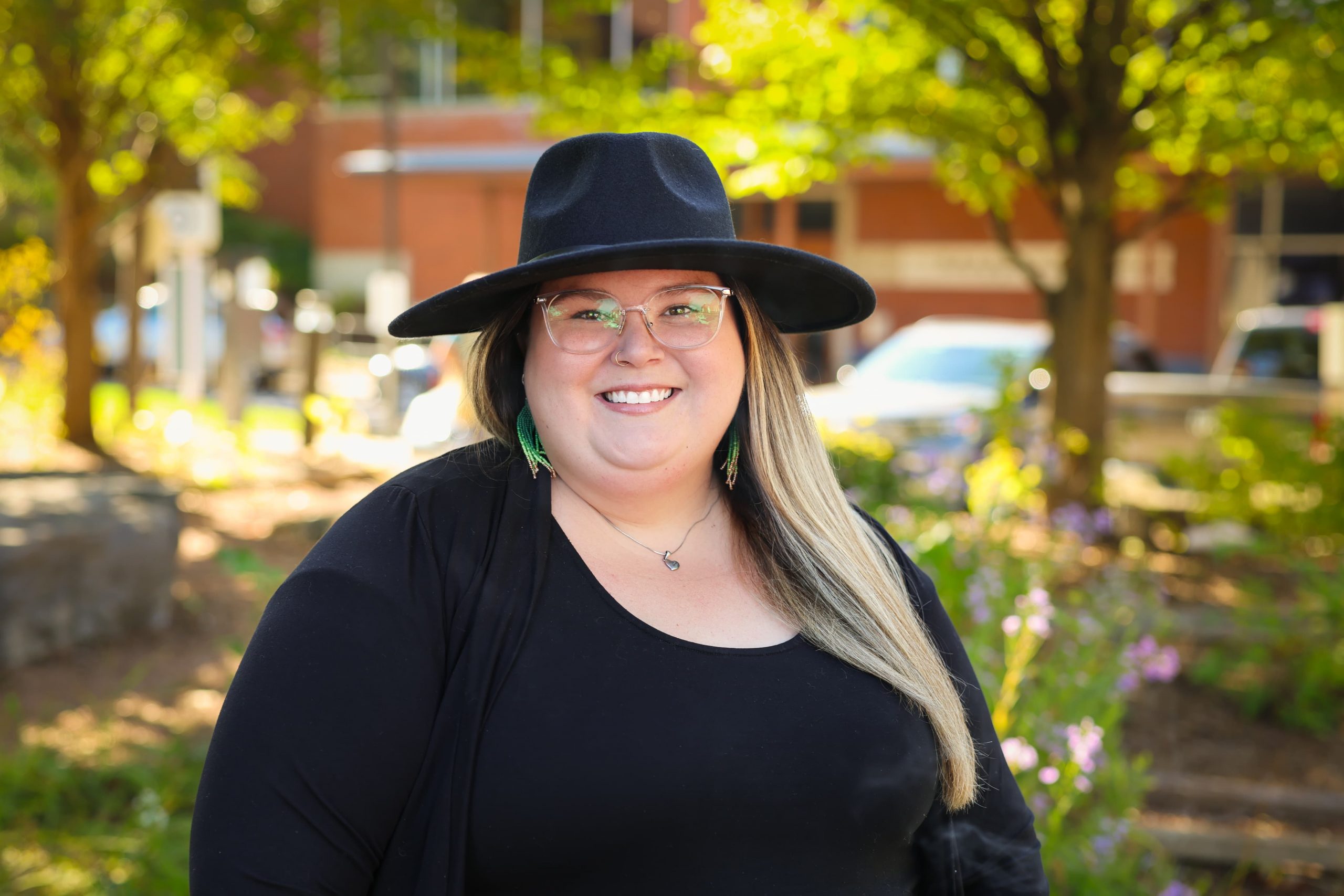
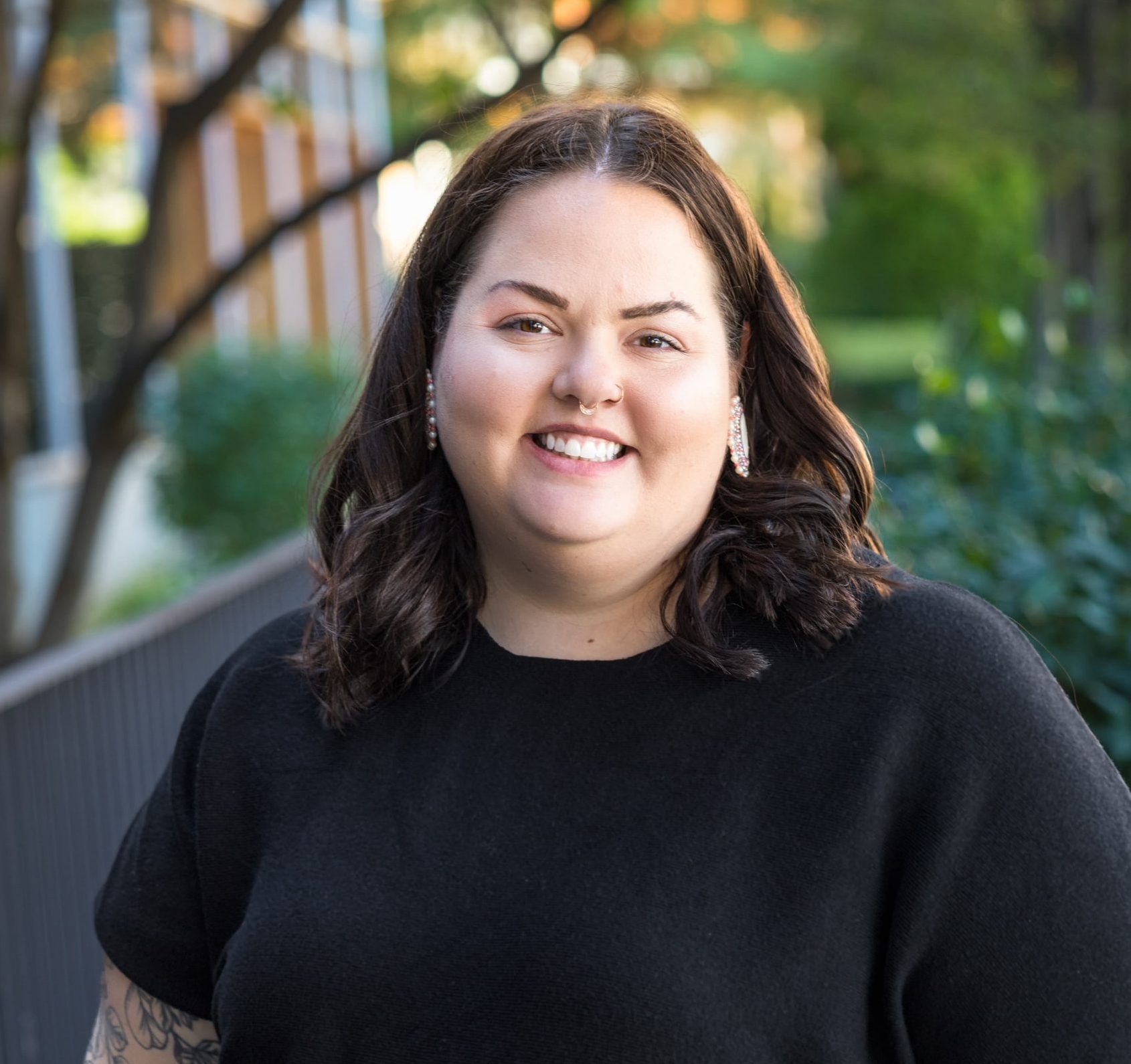
The Indigenous Health and Reconciliation Team (IHRT) helps First Nations, Inuit, Métis (FNIM), and urban Indigenous Peoples. They bring culture, ceremony, and connection to our care and spaces. Each team member also brings their own knowledge and teachings.  

Learn more about the team, care, and how to connect.

How Navigators Can Help

IPNs can help in person or by phone. They can:

  • connect you with Elders, Knowledge Keepers, ceremonies, or traditional healing
  • go to appointments with you
  • help you understand your care and treatment
  • share your needs with your care team
  • help plan your return home and follow-up care

Who Can Get Care?

IPNs help anyone who is as First Nations, Inuit, or Métis (FNIM).

How to Get Care

Contact us by email, phone, or text. Your family or care team can also refer you.

  • Cancer care: Melanie Turner, regional Indigenous cancer navigator
  • Other types of care: Ivy-Lynn Saile, WRHN SOAHAC Indigenous patient navigator

IPNs work Monday to Friday from 8:30 a.m. to 4:30 p.m. They do their best to reply within 24 to 48 business hours. They are not available on holidays.

Indigenous Employee Circle

The Indigenous Employee Circle (IEC) is a safe, supportive space. Indigenous team members and allies connect, share, and lead from experience.

The IEC helps WRHN build connections with First Nations, Inuit, Métis (FNIM) and urban Indigenous Peoples. It supports patients, teams, and communities by:

  • helping celebrate Indigenous recognition days
  • holding Drumming Circles, Sacred Fires, and other ceremonies

The IEC also helps guide WRHN. Members share knowledge to shape programs and goals. The IHRT supports the IEC with education and guidance

The IEC and IHRT empower team members. They encourage them to include Indigenous values and practices in care. This helps create a health network that is respectful and considers everyone.

The Seven Grandfather Teachings guide their work: Humility, Bravery, Honesty, Wisdom, Truth, Respect, and Love.
Indigenous Advisory Council

The Indigenous Advisory Circle (IAC) includes:

Indigenous community members

  • hospital leadership from WRHN and Cambridge Memorial Hospital (CMH)
  • Members share their knowledge and experiences. They help guide Indigenous healthcare and reconciliation.

The IAC gives advice about the hospitals’ strategies and plans. It also helps the hospitals:

  • work with Indigenous communities in respectful ways
  • support community choices and needs
  • Reconciliation is shared work between the hospitals and Indigenous communities. We are building a better health system together. One that is fairer and more rooted in culture.

Our Journey Together

WRHN continues to learn from and work with Indigenous communities. This timeline shares important steps we have taken. Together, we continue to make care safer and connected to culture.

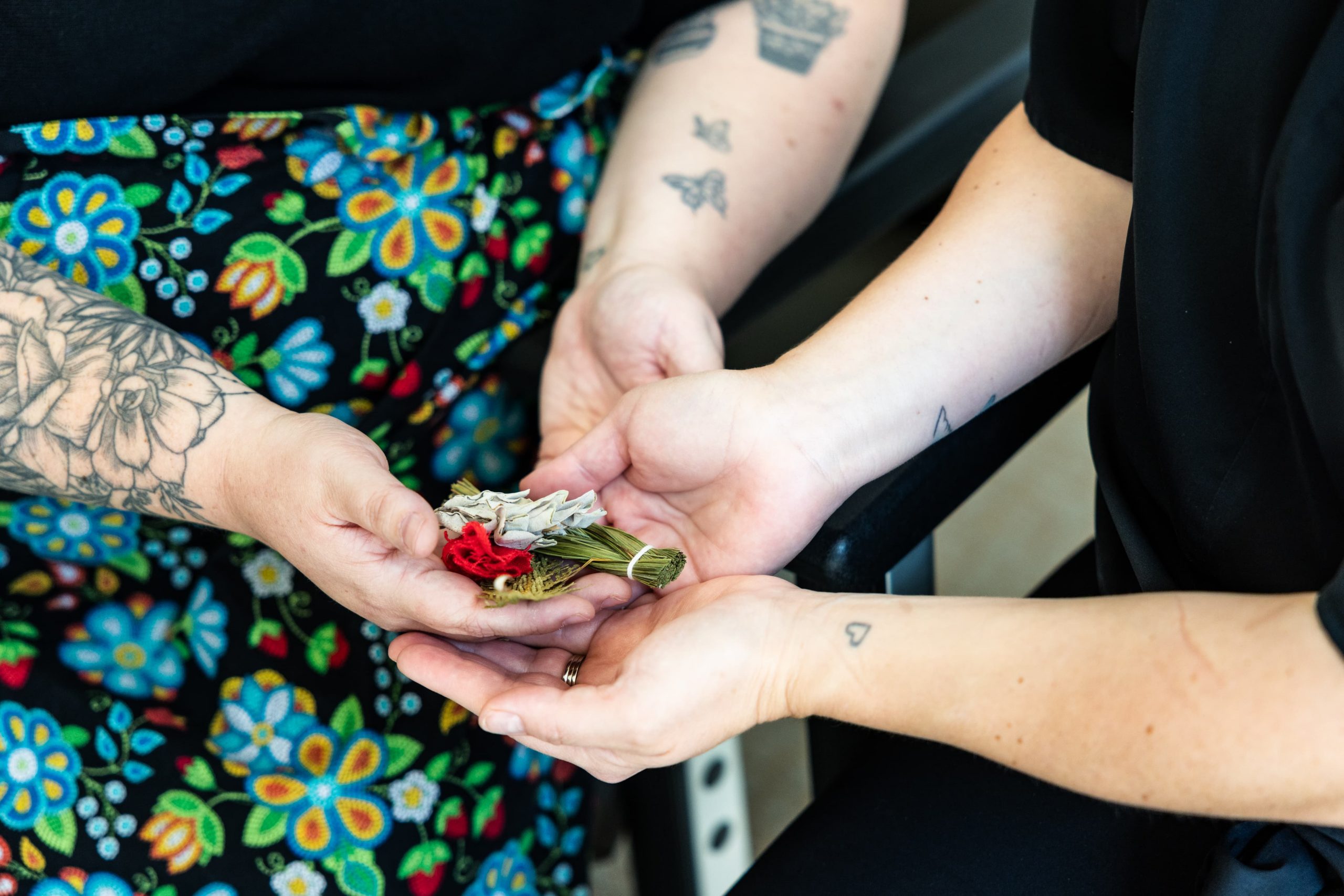
Two people with tattoos hold a small bundle of sage and a red flower together in their hands.

Ongoing Work & Goals

WRHN works with Indigenous communities to improve care. Our work follows the First Nations, Inuit, Métis and Urban Indigenous Health Framework, made by Ontario Health

Build & Keep Strong Connections

We walk with First Nations, Inuit, Métis (FNIM) and urban Indigenous Peoples to build strong connections by:

  • taking part in the Indigenous Advisory Council (IAC)
  • listening to guidance from the Indigenous Employee Circle (IEC)
  • asking for Indigenous ideas and feedback about projects
  • joining community events to learn and connect

Culturally Safe Care

We work with Indigenous partners to make care and spaces safer. These are some ways we are doing this:

  • We celebrate Indigenous cultures and histories through artwork.
  • Indigenous patient navigators (IPNs) help with care. They can connect patients to culture and support traditions.
  • We hold monthly smudging ceremonies at WRHN @ Midtown, WRHN @ Queen’s Blvd., and WRHN @ Chicopee.
  • The IEC works with other employee resource groups. They hold events that make WRHN more welcoming.
  • The Indigenous Health and Reconciliation Team (IHRT) makes policies that improve Indigenous care, like a smudging policy. They also make it easier to get traditional medicines.

Build & Improve Readiness & Education

We help teams understand Indigenous culture, traditions, and health needs. This includes:

  • land-based learning with Crow Shield Lodge for senior leaders
  • learning and guidance with Elder Myeengun Henry
  • team training to give safe, respectful care
  • short sessions about Indigenous health for cancer teams
  • education for nurses and students in Childbirth, Surgery, and Emergency
  • making an Indigenous education plan
  • improving training during orientation
  • starting monthly sharing circles
  • teaching pharmacy residents to give patient-centred care
  • tools and support for the IHRT
  • retreats and e-DiSC training
  • giving teams tools, like contact lists and guides for ceremonies

Measure, Track, & Check Progress

  • WRHN works with the Indigenous Advisory Circle (IAC) to:
    track progress

    • choose new goals
    • keep promises to Indigenous partners and communities
  • We make sure The Research Council includes and hears Indigenous voices.

Plan Regional & Provincial Programs & Care

  • WRHN works with Cambridge Memorial Hospital (CMH). We make sure we have the same programs and services.
  • WRHN Cancer Centre follows the third regional Indigenous cancer plan.
  • WRHN partners with the Waterloo-Wellington Older Adults Strategy. Our work improves diabetes care.
  • WRHN and local Indigenous groups build paths to addictions medicine and care.
  • WRHN works with the regional renal program. We want to improve kidney care for Indigenous patients.
    We plan and improve care with regional tables and Ontario Health Teams.
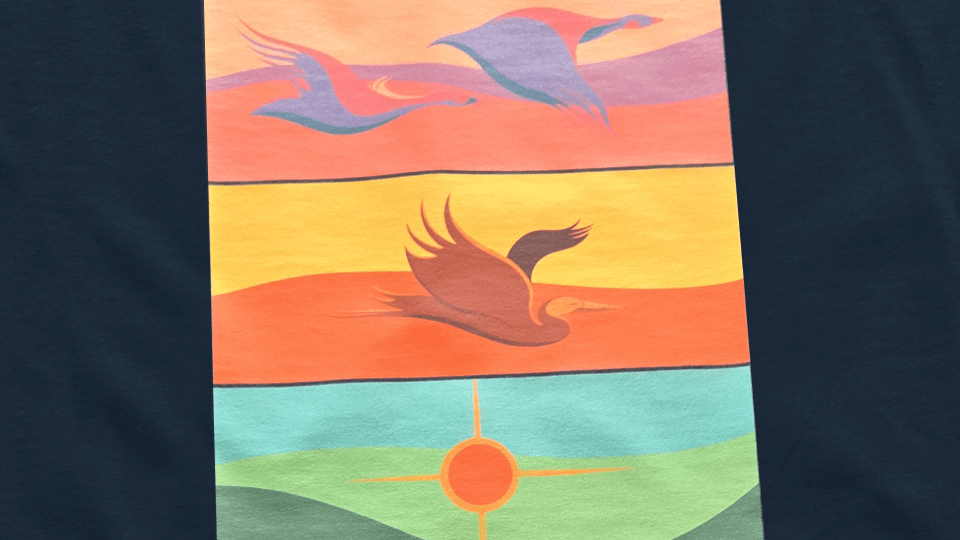
Stylized illustration of birds flying over abstract landscapes with a sun symbol at the bottom.

Building Welcoming Spaces

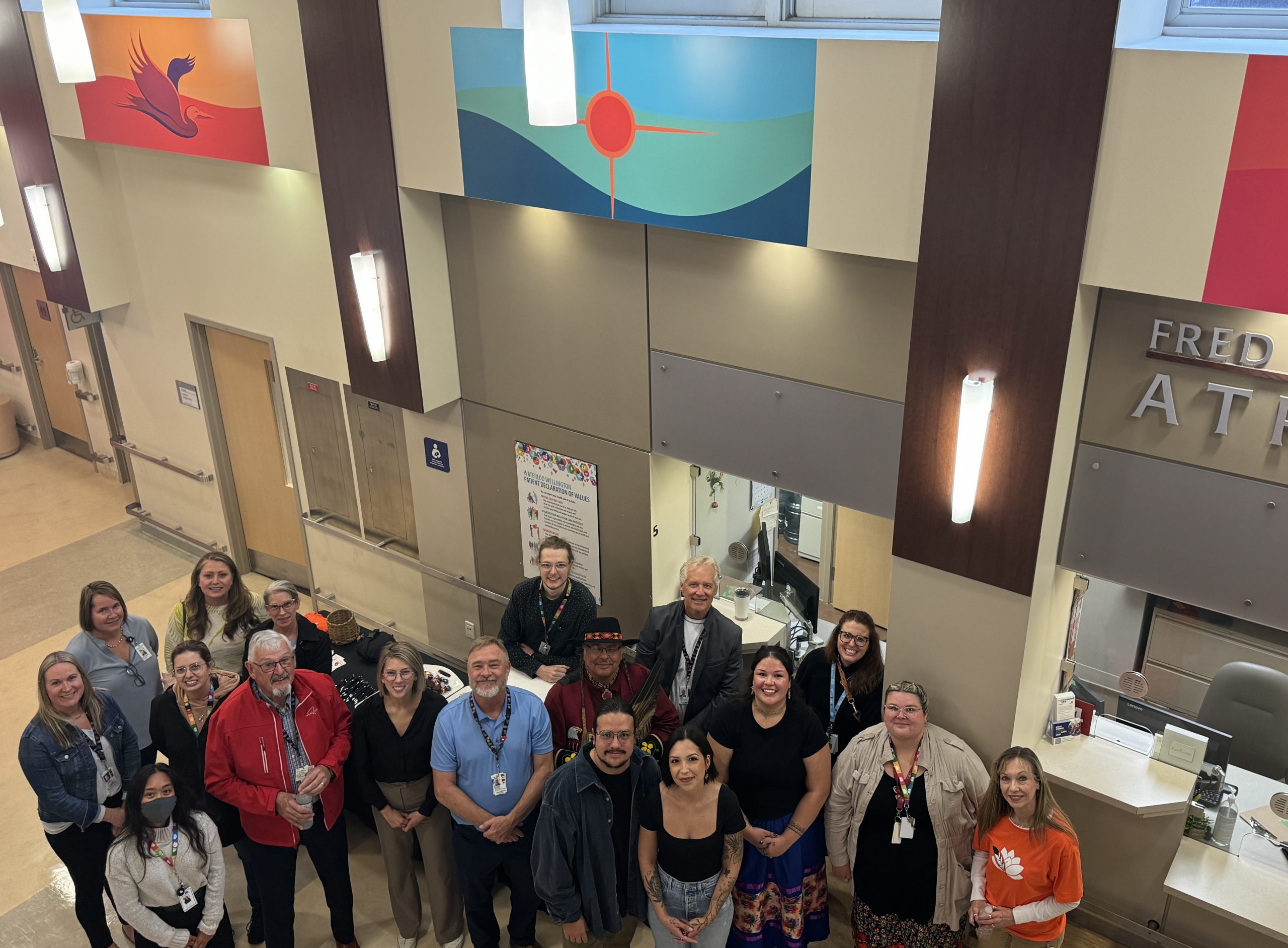
Indigenous artwork welcomes patients, families, and visitors at WRHN @ Midtown. The piece is by local artist Luke Swinson. It is part of our shared journey to honour Indigenous cultures and histories.

The piece is of the birds that live along the Grand River. It shows the river’s connections to life and creation.

“My partner and I walk along the Grand River daily and reflect on the importance of the water and its inhabitants,” shares Luke. “We have seen these birds during our walks … The river is sacred and home to so many living beings, and I think it is important for us to remember and celebrate that.”

This is the first of many Indigenous art pieces in our hospitals. Each piece will help make spaces safer and more welcoming.

“I and many of my loved ones have spent a lot of time at [WRHN],” Luke reflects. “It is so important for a place like this to be welcoming to Indigenous folks … I believe that art and culture are part of this important healing process that, historically, has been absent in hospitals.”

Resources

University of Alberta: Indigenous Canada Course

A free, 12-lesson online course. It explores the histories and points of view of Indigenous Peoples living in Canada.

Oct 27, 2025

Understanding Palliative Care for Indigenous Peoples – Ontario Health

Information about palliative care options for Indigenous Peoples in Canada.

External Website

Oct 27, 2025

Cancer Information for First Nations

Key websites with information about cancer. This handout was designed specifically for First Nations.

Fact Sheet

Jan 1, 2021

Compliments & Concerns

We welcome your compliments and concerns. They help us learn what we are doing well and where we can improve. Your feedback makes care better.